Pharma Explainer Videos & Sales-Enablement Video Production
Clear, engaging pharmaceutical video and animation that makes complex medical information easier to understand, communicate and use.
Clear, engaging pharmaceutical video and animation that makes complex medical information easier to understand, communicate and use.
Square Daisy produces MLR-ready explainer videos, pharmaceutical animation and sales-enablement content for pharma and life sciences organisations. We help turn complex clinical research, treatment information and technical messaging into clear, engaging videos for healthcare professionals, patients and internal teams. From initial scripting and storyboarding through to production and review-ready versions, we create content designed to fit your medical, legal and regulatory approval process. Talk to us about your project.
If you’re exploring how video could support your organisation, book a 15 minute discovery call and we’ll help you work out what type of content would actually be useful.
Examples of Pharma Explainer Videos & Sales-Enablement Video Production
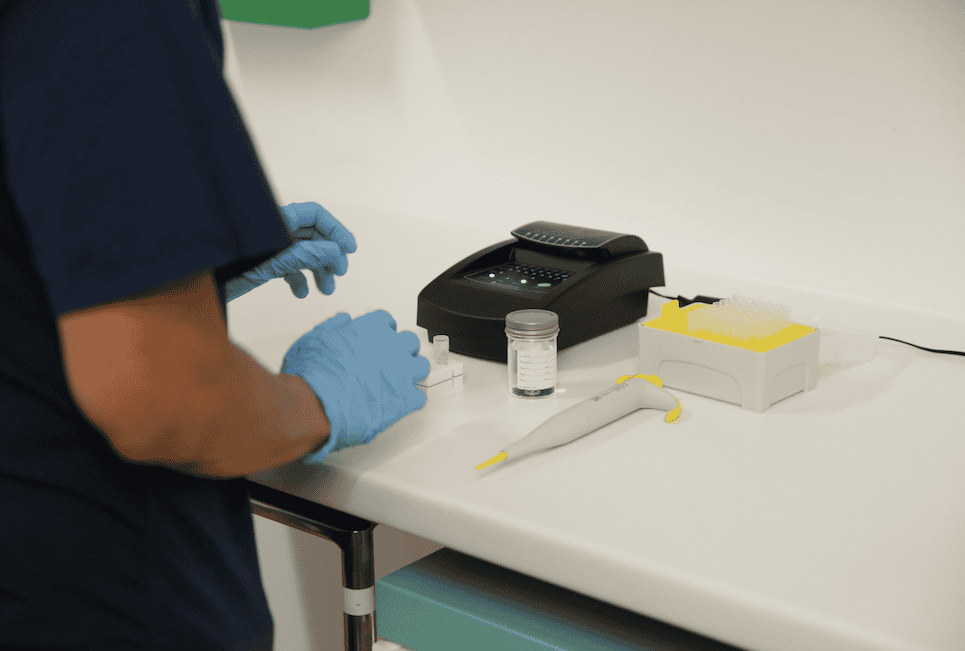
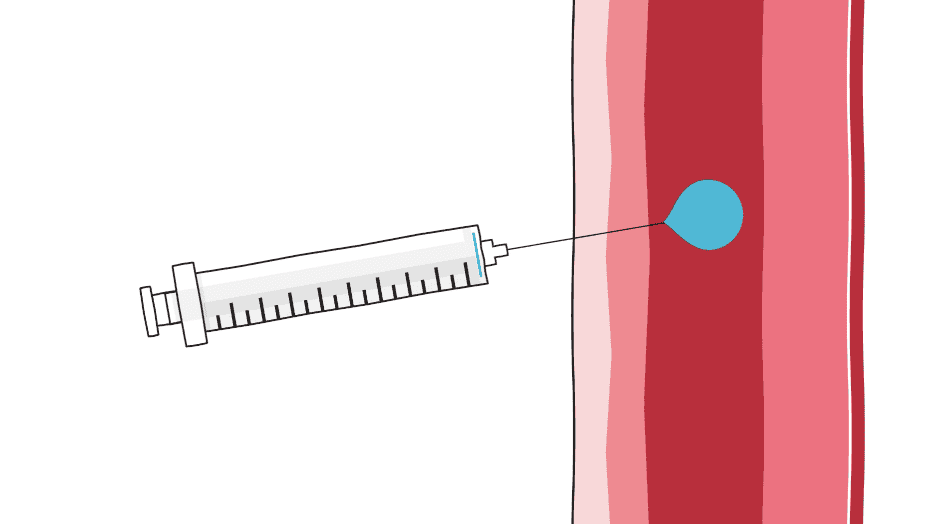


Making complex pharmaceutical information easier to communicate
Pharmaceutical companies deal with some of the most complicated information imaginable. Clinical trial results, efficacy data, mechanisms of action, treatment pathways and product information all need to be communicated accurately, often to audiences with very different levels of medical knowledge.
A detailed clinical study might make perfect sense to the medical affairs team, but translating that information into something a sales representative can explain confidently, or a patient can understand without a medical background, is a different challenge altogether.
That’s where video and animation can make a significant difference.
At Square Daisy, we have experience working on pharmaceutical and medical communications projects, including patient education, treatment demonstrations and animations that explain complex clinical information. We have also produced confidential work for pharmaceutical companies, taking lengthy clinical studies and efficacy reports and turning them into visual summaries designed to help clinicians understand the information more easily.
Sometimes that means creating a detailed scientific animation. Sometimes it’s a straightforward filmed demonstration, or a carefully structured explainer that takes a complicated subject and makes it more accessible.
The objective is the same: to help the intended audience understand the information without losing the accuracy or meaning of the original material.
If you want to understand how firms are using video more strategically across the buyer journey, you can also download our practical guides for planning, deployment and ROI measurement.
Pharmaceutical video production for different communication needs
There isn’t one type of pharmaceutical video that works for every situation. The audience, the information being communicated and where the content will be used all influence the approach we recommend.
Pharma sales enablement videos and visual detail aids
Pharmaceutical sales teams often need to communicate detailed information about treatments, clinical evidence and product characteristics within a limited amount of time.
A well-produced pharma sales enablement video can help structure those conversations, making complicated information easier to follow and providing a consistent way of presenting approved messaging.
We can turn clinical data, graphs and technical explanations into visual content that supports field teams and approved digital detail aids. This might involve illustrating a mechanism of action, explaining the findings of a clinical study or showing how a treatment works.
Video can also support internal sales training, helping representatives become familiar with approved information before discussing it with healthcare professionals.
Healthcare professional education and clinical evidence
Healthcare professionals are comfortable working with clinical information, but that doesn’t mean every subject is best communicated through a lengthy report or presentation.
We have worked on projects where extensive clinical research and efficacy information needed to be distilled into shorter, more accessible visual explanations for clinicians.
Using animation, motion graphics and carefully structured narration, we can help explain clinical concepts, study findings, treatment processes and medical technologies while retaining the detail that matters.
This is particularly useful when the information involves processes that cannot easily be filmed, or when several sets of clinical data need to be brought together into a coherent explanation.
Patient education and treatment support videos
Patients need a different approach. Medical terminology that feels completely normal to a clinician can be confusing or intimidating to somebody learning about a condition or treatment for the first time.
Our patient education videos are designed to make medical information easier to understand, using clear language, considered pacing and visuals that support the explanation.
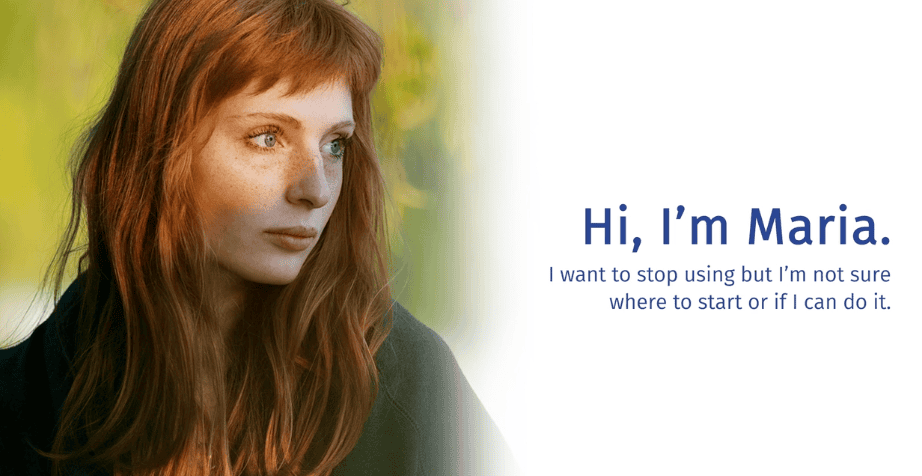
For example, we created a pharmaceutical patient animation explaining opioid use disorder and the science behind prolonged-release treatment. The animation used visual representations of the brain, the cycle of addiction and medication levels to help explain subjects that would otherwise be difficult to communicate through text alone.
Patient support content can also include treatment instructions, medicine administration demonstrations, frequently asked questions and explanations of what to expect during a treatment journey. We’ve also written a guide to patient education videos, looking at how video can help patients understand treatments, procedures and medical information.
Pharmaceutical product launches and congress content
When pharmaceutical companies introduce new products, communicate research or attend industry congresses, video can help present approved information clearly and consistently.
We can produce animation, filmed content and motion graphics for presentations, exhibition screens, internal launch communications and digital channels.
For projects involving physical products, our product videography services can also help demonstrate medical equipment, devices and their practical applications.
A scientific animation might explain a mechanism of action, while a shorter visual presentation could summarise research findings or introduce a medical technology.
Where appropriate, content can be planned in several formats so that an approved core message can be adapted for different uses, with each version going through the necessary review.
Internal pharmaceutical training and communications
Not every pharmaceutical video is intended for customers or patients.
Internal teams also need to understand complex products, scientific information, operational processes and changes to working practices. Video can provide a consistent way of sharing that information across departments and locations.
We produce filmed training content, animated explainers and practical demonstrations that can support onboarding, product knowledge, internal communications and professional development.
Download the Ultimate Video ROI Playbook
If you’re considering video for a charity or not-for-profit organisation, the most important questions are rarely technical.
They are strategic.
- Who needs to understand your work?
- What do they need to know?
- What action would you like them to take?
Our practical guides cover planning, content strategy, deployment and ROI, helping organisations make informed decisions before investing in production.
Pharmaceutical video production and the MLR approval process
Getting the messaging right before production
For pharmaceutical projects, we would normally recommend agreeing the content structure and script before moving into detailed animation or filming.
This allows your medical, marketing and compliance teams to review the proposed wording, supporting evidence and intended audience at an early stage.
Where clinical claims are involved, we can work from approved source material and reference documents supplied by your team. The aim is to ensure that the visual treatment supports the intended meaning without introducing interpretations that have not been approved.
Storyboarding and visual accuracy
With pharmaceutical animation, the visuals themselves can carry just as much meaning as the narration.
An illustration showing how a medicine works, how a substance moves through the body or how clinical results compare must be considered carefully. Even a simple graphical representation can unintentionally suggest something that the underlying evidence doesn’t support.
We use storyboards to establish how the information will be presented before committing to the full production. This gives your reviewers the opportunity to consider both the wording and the proposed visuals while changes are relatively straightforward.
Managing feedback, references and versions
Pharmaceutical projects can involve several stakeholders, and review comments may come from medical affairs, regulatory, legal, marketing and other departments.
We can structure production around agreed review stages, maintain clear version numbering and incorporate consolidated feedback into successive drafts.
For content requiring formal approval, your organisation remains responsible for reviewing and signing off the scientific and regulatory accuracy of the finished material. Our role is to provide a production process that supports those requirements and makes revisions manageable.
It is also worth considering how content will be maintained after publication. If prescribing information, approved claims or clinical evidence changes, having access to the underlying animation and project files can make future updates more practical than starting again.
Different audiences need different explanations
A pharmaceutical animation intended for healthcare professionals shouldn’t necessarily look or sound like one designed for patients.
For an HCP audience, it may be appropriate to use specialist terminology, clinical graphs, published evidence and detailed explanations of treatment mechanisms. The challenge is often making that information quicker to interpret without oversimplifying the science.
For patients, the priority is usually understanding. That might mean explaining unfamiliar terminology, using more relatable visual examples or breaking a complicated treatment process into manageable stages.
Where appropriate, hearing directly from patients or healthcare professionals can also help bring medical information to life. Our case study and testimonial video production services can capture these experiences through filmed interviews, with the necessary permissions and approval processes in place.
The scientific information must remain accurate in both cases, but the way it is communicated should reflect the knowledge, needs and expectations of the people watching.
We can help plan different versions of a video for different audiences, with the appropriate messaging and review requirements considered separately.
Examples of our pharmaceutical and medical video work

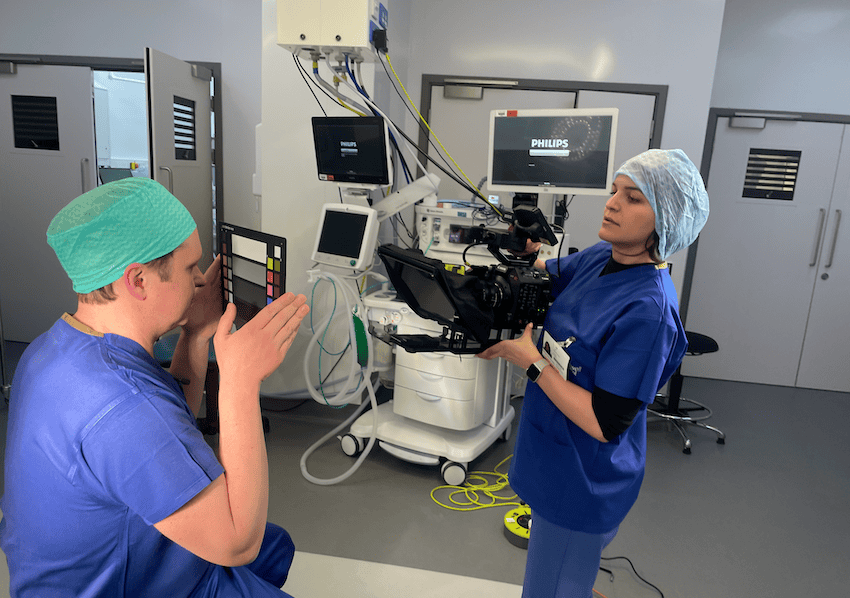
Our experience includes both publicly available projects and confidential pharmaceutical communications that cannot be shared because of client agreements.
The examples below demonstrate some of the different ways we use video and animation to communicate medical information.
Opioid addiction treatment — patient education animation
A pharmaceutical animation designed to explain opioid use disorder, how addiction affects the brain and the science behind prolonged-release treatment.
The project involved translating clinical research into a patient-friendly visual explanation, using animation to illustrate concepts such as medication levels, brain activity and treatment processes.
View the opioid addiction patient animation
Uromune — patient information and treatment instructions
For Uromune, we created patient-facing content covering frequently asked questions and practical treatment instructions.
These projects demonstrate how video can support patients who need clear, accessible information about a treatment, particularly when understanding the correct process is important.
Watch the patient FAQ video and view the patient instruction video.
Biofloratech — Labinic Drops animated demonstration
Animation can be particularly effective when a product needs to be demonstrated clearly without relying entirely on filmed footage.
Our animated demonstration for Biofloratech’s Labinic Drops is an example of using visual communication to help explain a healthcare product and its use.
View the Biofloratech animated demonstration
Injection techniques — medical training video
Some information is best communicated through a practical demonstration rather than animation alone.
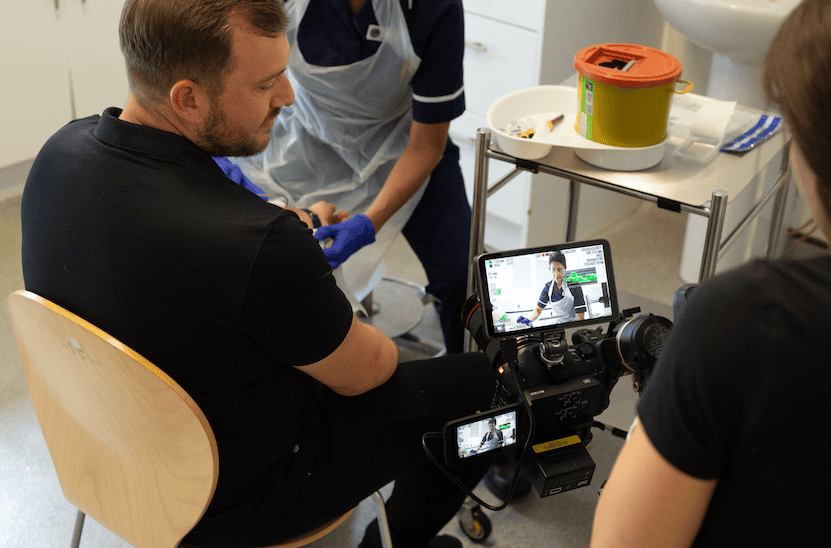
Our injection techniques project involved creating guidance content for medical professionals, showing how filmed video can support consistent communication of clinical procedures.
View the injection techniques project
Medical technology — communicating complex innovation
We have also worked on medical technology communications where the challenge was explaining a technically complex proposition to an audience interested in its commercial potential.
This demonstrates another important application of video within life sciences: helping investors and other stakeholders understand innovative medical technologies without getting lost in technical detail.
Choosing between filmed video and pharmaceutical animation

Some pharmaceutical subjects are much easier to explain through animation, particularly when they involve biological processes, mechanisms of action or clinical data.
Animation allows us to show what is happening inside the body, illustrate changes over time and simplify complex diagrams without being limited by what a camera can capture.
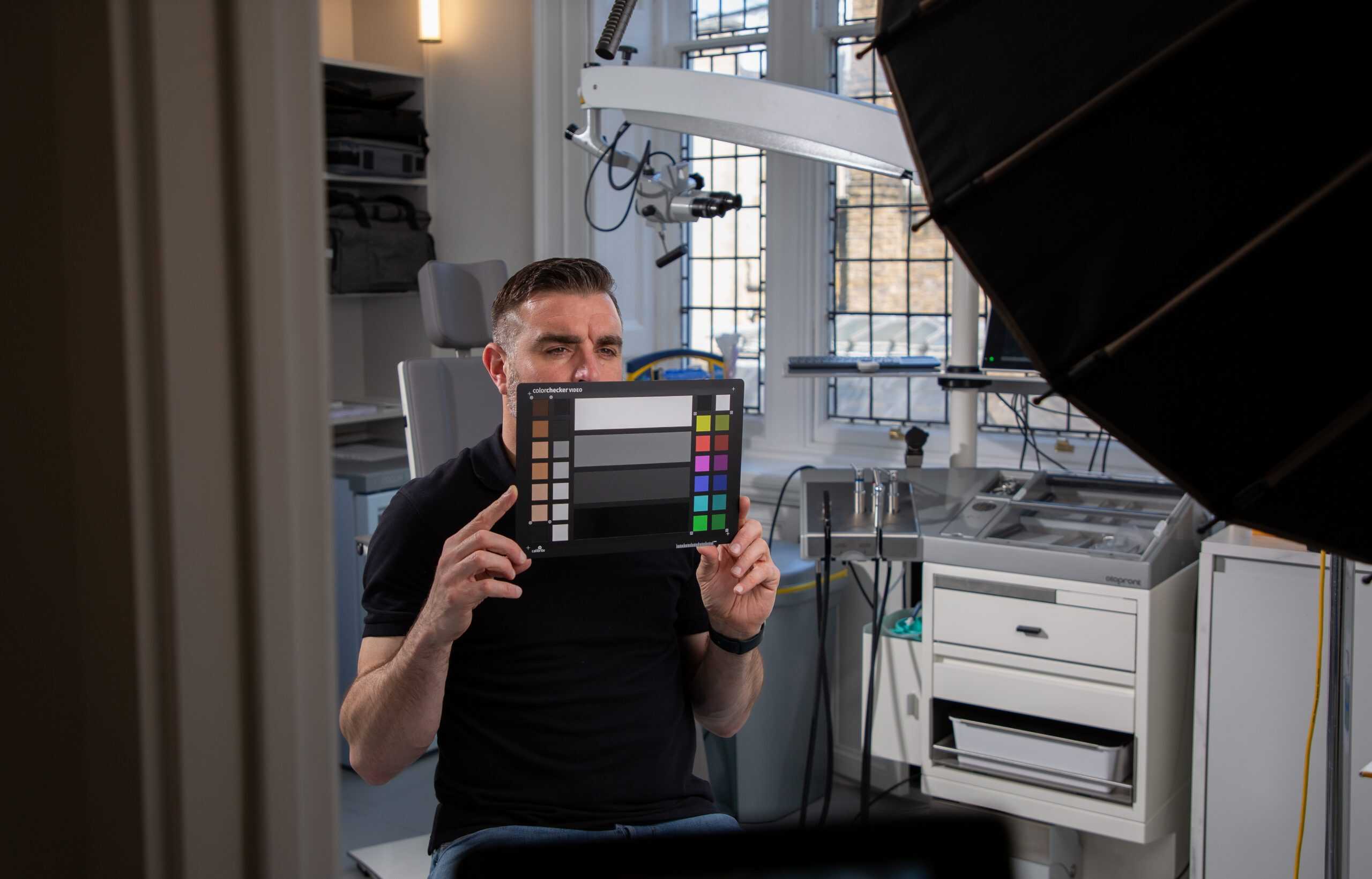
Filmed content is often better suited to demonstrations, expert interviews, practical training and situations where seeing a real person or procedure adds value.
In many cases, combining the two approaches works particularly well. A clinician might introduce a subject on camera before animation explains the science, or a practical demonstration might use motion graphics to highlight important details.
Our explainer video production and animated video production services can be adapted to suit the subject, audience and communication objectives.
For patient-focused content within clinical settings, you can also explore our wider healthcare video production experience.
Getting more value from pharmaceutical video content
Producing a pharmaceutical video often involves considerable work before animation or filming begins. Clinical information needs to be reviewed, the messaging agreed, scripts developed and the appropriate stakeholders involved.
It therefore makes sense to think about how the content could be used over time.
For example, a detailed clinical explainer could form the basis of shorter approved educational segments, an internal training version or a visual presentation for a particular audience. A filmed product demonstration might also provide material for onboarding or practical training.
The important consideration is to plan these requirements early. Different audiences and channels may require different claims, wording, references and approval processes, so multiple outputs should be scoped and reviewed accordingly.
Our aim is to help clients get lasting value from the work involved in producing the original content, rather than treating every video as a completely separate exercise.
Why work with Square Daisy?
Square Daisy is an established UK video production company with experience across pharmaceutical, medical and healthcare communications.
We combine script development, filming, animation and post-production with an understanding of the challenges involved in explaining complicated information to different audiences.
Our experience includes pharmaceutical patient education, medical training, treatment demonstrations, healthcare technology and confidential projects involving clinical research and efficacy information.
We understand that pharmaceutical projects often require more discussion, more detailed preparation and more structured feedback than a conventional promotional video. We are comfortable working with technical subject matter and collaborating with the people responsible for ensuring the information is accurate.
Above all, we focus on making the content useful to the people who will watch it.
Frequently Asked Questions
Do you make explainer videos for pharmaceutical sales teams?
Do you make explainer videos for pharmaceutical sales teams?
Yes. We can produce pharmaceutical sales enablement videos, animations and visual detail aids designed to help sales teams communicate approved clinical and product information more clearly. This can include explaining mechanisms of action, summarising clinical evidence and creating internal product training content.
Can you work within an MLR and pharmaceutical compliance review process?
Can you work within an MLR and pharmaceutical compliance review process?
Yes, we can plan production around your organisation’s medical, legal and regulatory review requirements. This includes developing scripts and storyboards for review, working from approved source material and managing revisions through agreed production stages. Final regulatory approval remains the responsibility of your organisation.
Do you understand pharmaceutical messaging and sales enablement?
Do you understand pharmaceutical messaging and sales enablement?
We have experience taking complex clinical information, including efficacy reports and research, and translating it into visual explanations for healthcare audiences. We recognise the importance of presenting information accurately, using appropriate references and tailoring the explanation to the intended audience.
Can you produce videos for both healthcare professionals and patients?
Can you produce videos for both healthcare professionals and patients?
Yes. We produce medical and pharmaceutical content for different audiences, including patient education, treatment demonstrations and clinical information. HCP videos can include more detailed scientific explanations, while patient-facing content generally benefits from clearer terminology, accessible visuals and a more explanatory approach. Each version should be reviewed for its intended audience.
How do you handle regulatory sign-off and video versioning?
How do you handle regulatory sign-off and video versioning?
We recommend establishing the approval stages and responsibilities at the beginning of the project. Scripts, storyboards and video drafts can be supplied for review, with clear version numbering and consolidated feedback. We then incorporate agreed amendments before the final files are submitted for your organisation’s approval.
Can you turn clinical research or efficacy reports into animation?
Can you turn clinical research or efficacy reports into animation?
Yes. This is an area in which we have direct experience. We have worked on confidential pharmaceutical projects that involved translating lengthy clinical studies and efficacy information into visual summaries for clinicians. Animation and motion graphics can help make complex data and scientific processes easier to follow while retaining the underlying meaning
Can you update a pharmaceutical animation when information changes?
Can you update a pharmaceutical animation when information changes?
In many cases, yes. If the original project files are available, existing animation can often be revised to reflect approved changes to wording, graphics or clinical information. The extent of the work depends on the changes required, and updated content would need to go through the appropriate review process.
Something else?
Do you need something more specific? Why not get in touch and we’ll work with you to create the perfect concept for your needs.