Video Production for SaaS & Technology Companies
Strategic Video Content for Software Platforms, SaaS Products and Technology Businesses
If users don't understand the value, they won't buy.
Most SaaS companies do not struggle because the product lacks value.
They struggle because prospective customers do not understand that value quickly enough.
Too often, software businesses fall into one of two traps. They either lead with a long screencast demo before the audience understands why the product matters, or they produce a vague “brand video” full of stock footage and generic messaging that explains very little about what the platform actually does.
Neither approach helps buyers move forward confidently.
At Square Daisy, we help SaaS and technology companies use filmed and animated content to explain products more clearly, reduce friction in the buyer journey and create structured content systems that support awareness, education, onboarding and conversion.
We also bring extensive experience within the SaaS and technology sector itself, producing software explainers, feature animations, platform walkthroughs, customer case studies, onboarding assets and product marketing systems for a wide range of technology businesses and platforms.
Whether the goal is improving product understanding, supporting sales conversations, increasing demo bookings, reducing onboarding friction or creating more effective PPC and social content, the focus is always the same: helping users understand value clearly enough, early enough.
If you are exploring how video could support your platform or software business, book a 15 minute discovery call and we’ll help you work out what type of content would actually deliver value.


Why Video Works Particularly Well for SaaS & Technology
Software products are often difficult to communicate quickly.
Founders, product teams and developers naturally talk about integrations, workflows, automations, infrastructure and features. Buyers are usually thinking:
- How does this help me?
- Will this save time or money?
- Is this difficult to implement?
- Does it solve a real operational problem?
- How quickly can my team understand it?
- Is this actually better than what we use now?
That gap between product functionality and commercial understanding is where video becomes extremely valuable.
A well-structured product video can help users understand the problem, the outcome and the platform’s role within minutes, without overwhelming them with technical detail too early in the process.
This is particularly important in SaaS because different buyers need different levels of information at different stages of the funnel.
Awareness-stage users may need a concise, high-level explanation focused on challenges and outcomes. Mid-funnel buyers often need more detailed feature explanation and workflow understanding. Lower-funnel prospects may want detailed screencasts, onboarding walkthroughs, customer case studies or implementation content before making a decision.
The most effective SaaS video strategy is rarely one standalone video. It is a structured content ecosystem designed around how users actually buy software.
If you want to understand how SaaS companies are using video more strategically across the buyer journey, you can also download our practical guide covering planning, deployment and ROI measurement.
Supporting Product Marketing, Sales and User Adoption
Software video content should support much more than just homepage awareness.
Different types of content can help SaaS businesses improve acquisition, activation, onboarding, retention and customer understanding across the entire product lifecycle.
Hero videos and animated explainers can quickly communicate the commercial value of the platform. Feature-focused animations help explain specific workflows or capabilities without requiring users to sit through lengthy demos. Screencast content and guided walkthroughs support onboarding and product understanding, while customer case studies help build trust through real-world implementation examples.
Short-form social media and PPC content can also play an important role in driving awareness and traffic. Many SaaS companies now use shorter educational clips, problem-led messaging and feature highlights across LinkedIn, YouTube, Meta and paid campaigns to introduce product value earlier in the buying process.
Video can also support internal communication, investor presentations, recruitment and customer success initiatives, particularly for growing technology businesses that need consistent communication across multiple audiences.
The strongest approach is usually not producing one isolated product video, but creating a structured set of assets that support the entire customer journey.
Download the Ultimate Video ROI Playbook
For software businesses still exploring how video could support product marketing, onboarding or customer communication, we also produce practical guides covering:
- planning effective video content
- improving ROI from production
- structuring content around the buyer journey
- using social and PPC video more effectively
- measuring video performance properly
The goal is not simply to create more content. It is to create clearer communication that improves understanding, adoption and growth.
Download the guide to understand more about planning, deploying and measuring video content effectively within SaaS and technology businesses.
Creating More Value From a Single Production Process
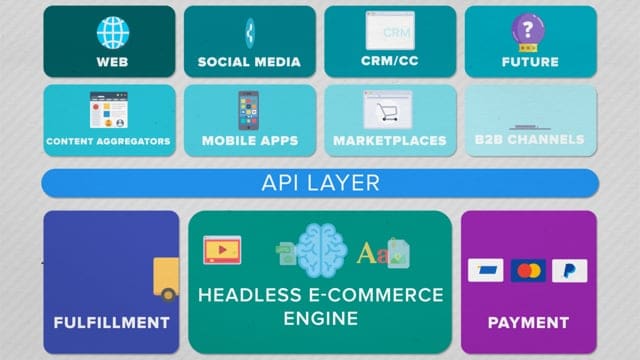
One of the biggest mistakes SaaS businesses make with video is treating it as a one-off deliverable rather than part of a wider communication system.
A single production process can often generate significantly more than one finished video. With proper planning, the same project might produce a hero explainer, shorter feature-led animations, PPC awareness clips, onboarding videos, detailed screencasts, customer case studies, social media content and sales enablement assets that can be used across multiple stages of the funnel.
This forms part of our Video Marketing System – a structured approach designed to help organisations create evergreen content assets that continue supporting awareness, conversion and user education long after production.
The planning is what creates the ROI. Instead of constantly creating disconnected pieces of content, SaaS companies build a practical communication system aligned around how users discover, evaluate and adopt the platform.
If you are unsure what type of content would be most useful for your software business, book a 15 minute discovery call and we can help map out a practical approach around your objectives.
Why SaaS & Technology Companies Choose Square Daisy
We understand that software businesses need more than attractive visuals.
They need communication that helps users understand value quickly enough to take action.
Clients typically work with us because we combine commercially focused thinking with practical production capability across animation, screencasting, filming and post-production. We understand how SaaS buying journeys work and how different types of content support different stages of product awareness, evaluation and adoption.
We also bring extensive experience within the SaaS and technology sector itself, evidenced by a substantial portfolio of software explainers, feature animations, product marketing systems and customer communication projects across a wide range of platforms and technology businesses.
Because everything is handled in-house, we can create joined-up content systems that feel strategically aligned rather than fragmented across multiple suppliers.
Just as importantly, we understand the pace technology businesses operate at. Production needs to feel efficient, commercially useful and adaptable as products evolve.
Software Explainers, Animation and Screencasting

Some software concepts are best explained visually rather than verbally.
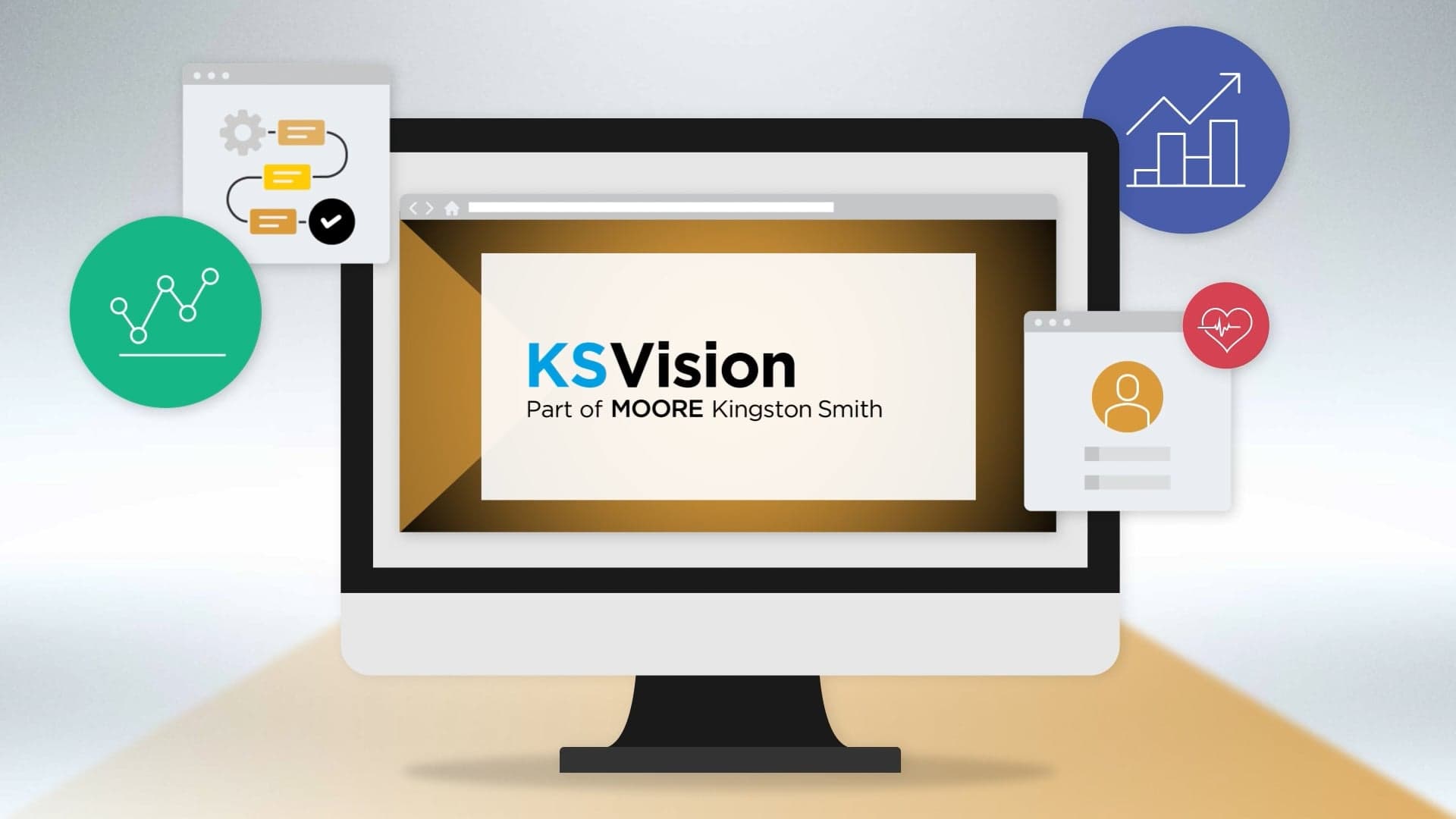
Because we handle filming, animation and screencasting in-house, we can combine UI capture, motion graphics, product visualisation, founder interviews and animated workflows into a joined-up communication system rather than disconnected standalone assets.
This is particularly useful for:
- software explainers
- onboarding walkthroughs
- feature demonstrations
- workflow visualisation
- platform overviews
- implementation guidance
- investor presentations
- technical process explanation
- AI and automation products
- SaaS onboarding systems
Animation and motion graphics can help simplify abstract concepts, workflows and data-driven systems in a way that feels clear and commercially understandable rather than overly technical.
At the same time, detailed screencasts allow users to move deeper into the platform experience once they are ready for more practical product understanding.
That balance between clarity and depth is where many SaaS companies struggle – and where structured video strategy becomes particularly valuable.
Frequently Asked Questions
Can you create both animated explainers and screencast walkthroughs?
Can you create both animated explainers and screencast walkthroughs?
Yes. We regularly combine animation, UI capture, motion graphics and screencasting within the same project to support different stages of the buyer journey.
Do you help structure the content strategy as well as produce the videos?
Do you help structure the content strategy as well as produce the videos?
Absolutely. Most SaaS companies know they need video content but are unsure how different assets should support awareness, onboarding, sales and activation. We help structure the right approach around your objectives.
Can video help improve onboarding and user adoption?
Can video help improve onboarding and user adoption?
Very often, yes. Structured onboarding videos and feature walkthroughs can significantly improve product understanding while reducing friction for new users.
Can you create content for paid campaigns and social media?
Can you create content for paid campaigns and social media?
Yes. Many SaaS businesses use shorter awareness-stage content across paid social, YouTube and PPC campaigns to introduce product value before users commit to demos or trials.
How long does production usually take?
How long does production usually take?
Most projects move from planning to delivery within a few weeks depending on scope, feedback cycles and the number of deliverables required.
Something else?
Do you need something more specific? Why not get in touch and we’ll work with you to create the perfect concept for your needs.