Video Production for Public Sector Organisations, Local Authorities and Public Services
Strategic Video Content That Helps Public Sector Organisations Communicate More Clearly
The public sector is often grouped together as though it were a single audience. In reality, it isn't.
A local authority trying to encourage participation in a community initiative faces very different challenges to an NHS Trust recruiting clinical staff. A housing association communicating service changes has different priorities to a government-funded programme explaining eligibility criteria, while an educational organisation engaging prospective students is solving a completely different communication problem again.
What these organisations often have in common, however, is the need to communicate important information clearly to large and diverse audiences.
Whether you’re explaining a service, supporting recruitment, encouraging behaviour change, consulting with residents or helping people understand a complex process, the challenge is rarely a lack of information. More often, it’s making that information accessible, understandable and engaging enough for people to act on it.
At Square Daisy, we help public sector organisations use filmed and animated content to simplify complex messages, improve understanding and support meaningful engagement. Whether content is aimed at residents, service users, patients, stakeholders, employees or prospective recruits, the goal is always the same: helping people understand what matters and what they need to do next.
The most effective public sector video is rarely about promotion. It is about clarity. Helping people access services, understand decisions, navigate processes and engage with information that may otherwise be overlooked, misunderstood or ignored.
If you’re exploring how video could support your organisation, we’ll help you identify what content will genuinely support your objectives rather than simply producing another standalone video.

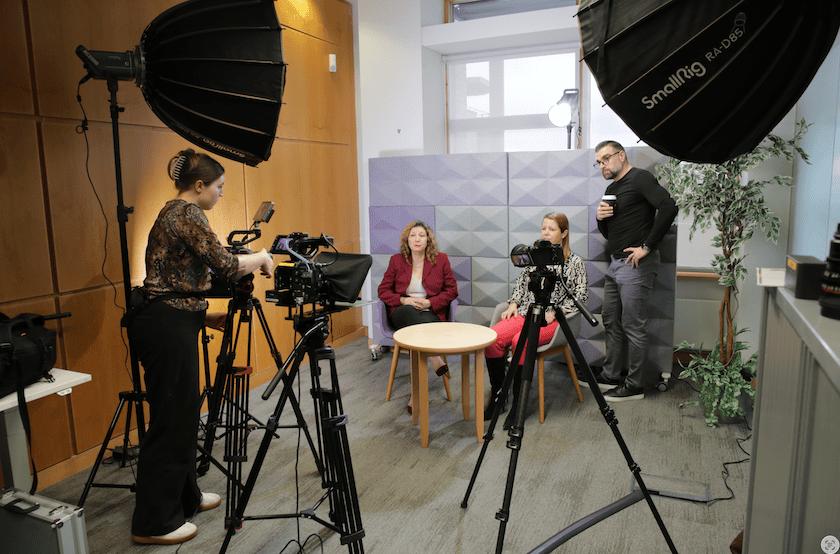
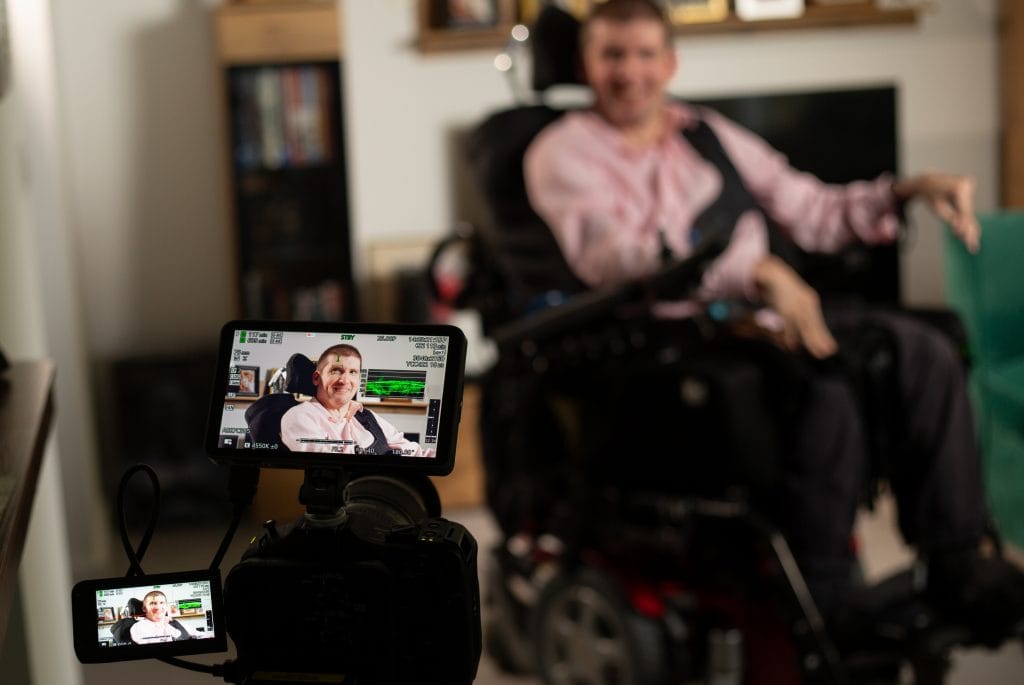

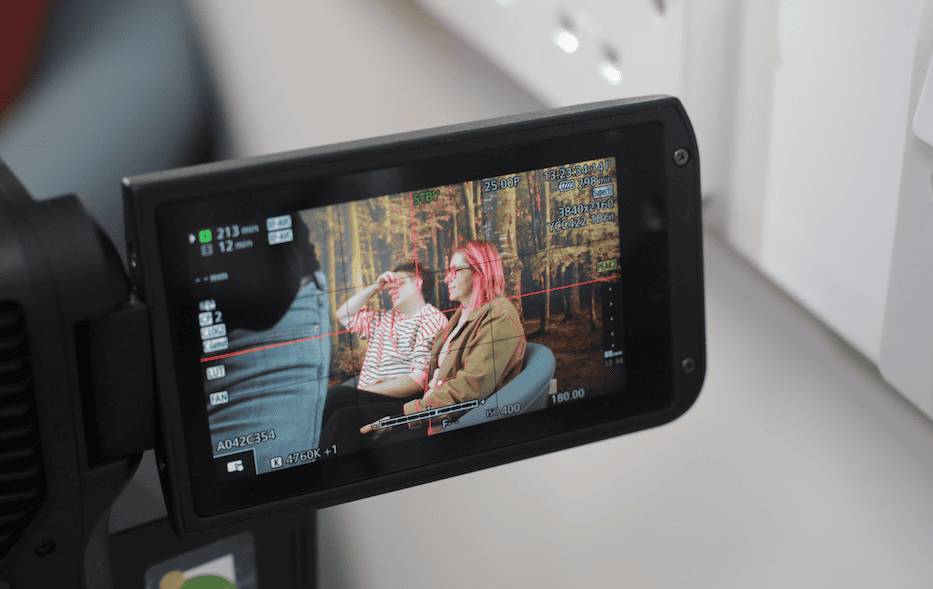
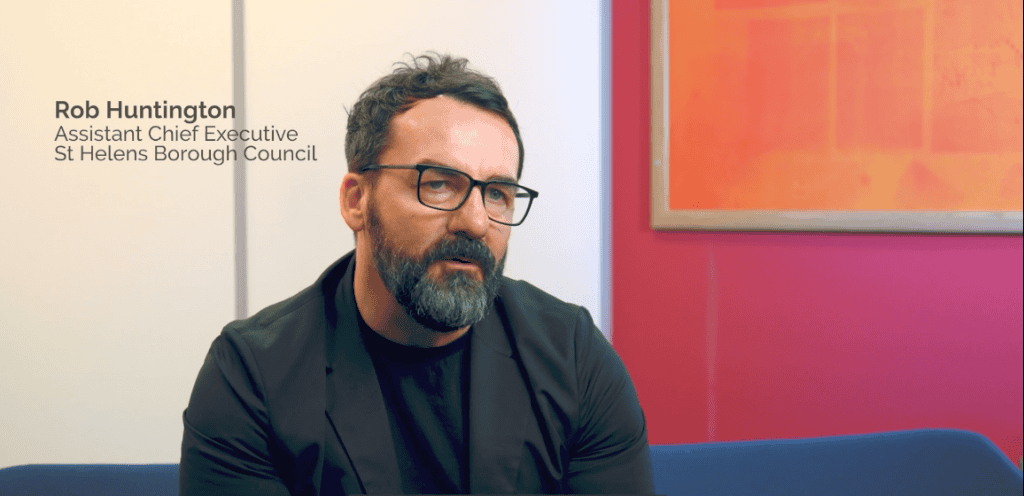
Why Video Works Particularly Well for Public Sector Communication
Public sector organisations often face a difficult balancing act.
Information needs to be accurate, compliant and comprehensive, while also being easy for people to understand. The more complex the subject matter becomes, the harder it can be to communicate effectively through documents, webpages, presentations or lengthy written guidance alone.
Many organisations already provide the information people need. The problem is that audiences do not always consume it.
A resident may not read a consultation document. A patient may struggle to understand a treatment pathway. A prospective employee may never download a recruitment pack. A service user may find a lengthy process guide overwhelming.
Video helps bridge that gap.
A well-structured video can explain a service, process or initiative in a matter of minutes, making complex information more accessible without oversimplifying it. It allows organisations to combine visual demonstration, narration and storytelling to improve understanding and retention.
For organisations responsible for communicating with thousands of people, that clarity can have a significant impact on engagement, service uptake, recruitment outcomes and overall communication effectiveness.
Video can also provide consistency. Instead of relying on different teams or individuals to explain the same information repeatedly, organisations can create a resource that delivers the same message clearly every time.
If you want to understand how public sector organisations are using video more strategically across the customer journey, you can also download our practical guide covering planning, deployment and ROI measurement.
Supporting Engagement, Recruitment and Service Delivery
Public sector video content should support more than awareness alone.
Different types of content can help organisations improve public engagement, recruit more effectively, support internal communication and make services easier to understand.
Public-facing content can be used to explain services, communicate policy changes, support consultations, promote community initiatives and encourage participation in programmes or campaigns. Educational content can help service users understand eligibility criteria, application processes, healthcare pathways or support services before they make contact.
Recruitment has also become a growing priority across many areas of the public sector. Whether attracting healthcare professionals, social workers, housing specialists, teachers or operational staff, organisations increasingly need to communicate culture, purpose and opportunity in a way that resonates with candidates.
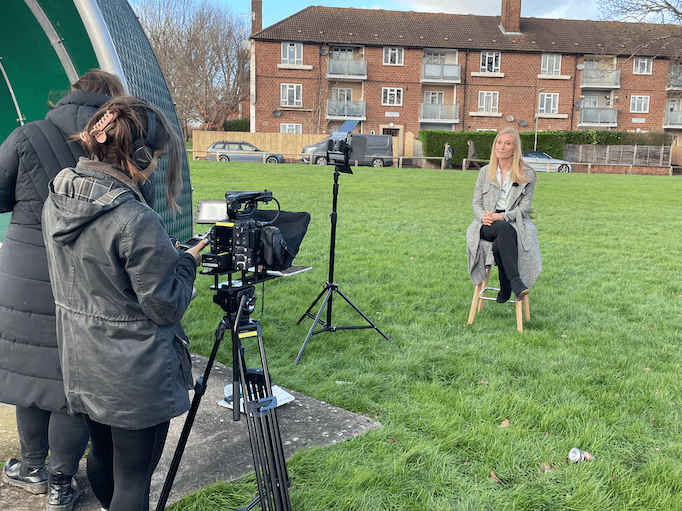
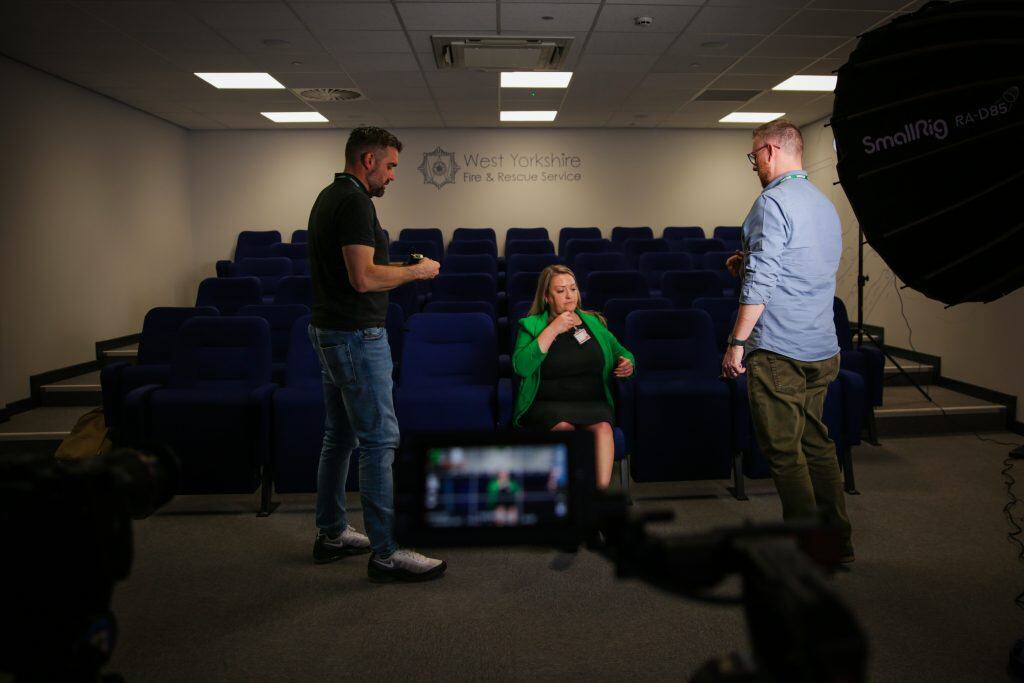
Video allows prospective employees to see the people, environments and values behind an organisation before applying, helping candidates make more informed decisions and improving the quality of applications.
Internally, filmed and animated content can support onboarding, training, leadership communication and organisational change programmes. This is particularly valuable where information needs to be delivered consistently across multiple teams, departments or locations.
The strongest approach is usually not creating a single corporate film, but developing a structured library of content that supports communication objectives across the organisation.


Download the Ultimate Video ROI Playbook
If you’re exploring video for a public sector organisation, the most important questions often aren’t technical.
They are strategic.
- What information needs to be understood?
- Who needs to understand it?
- What action should they take afterwards?
Our practical guide covers planning, deployment, content strategy and ROI, helping organisations make informed decisions before investing in production.
Creating More Value From a Single Production Project
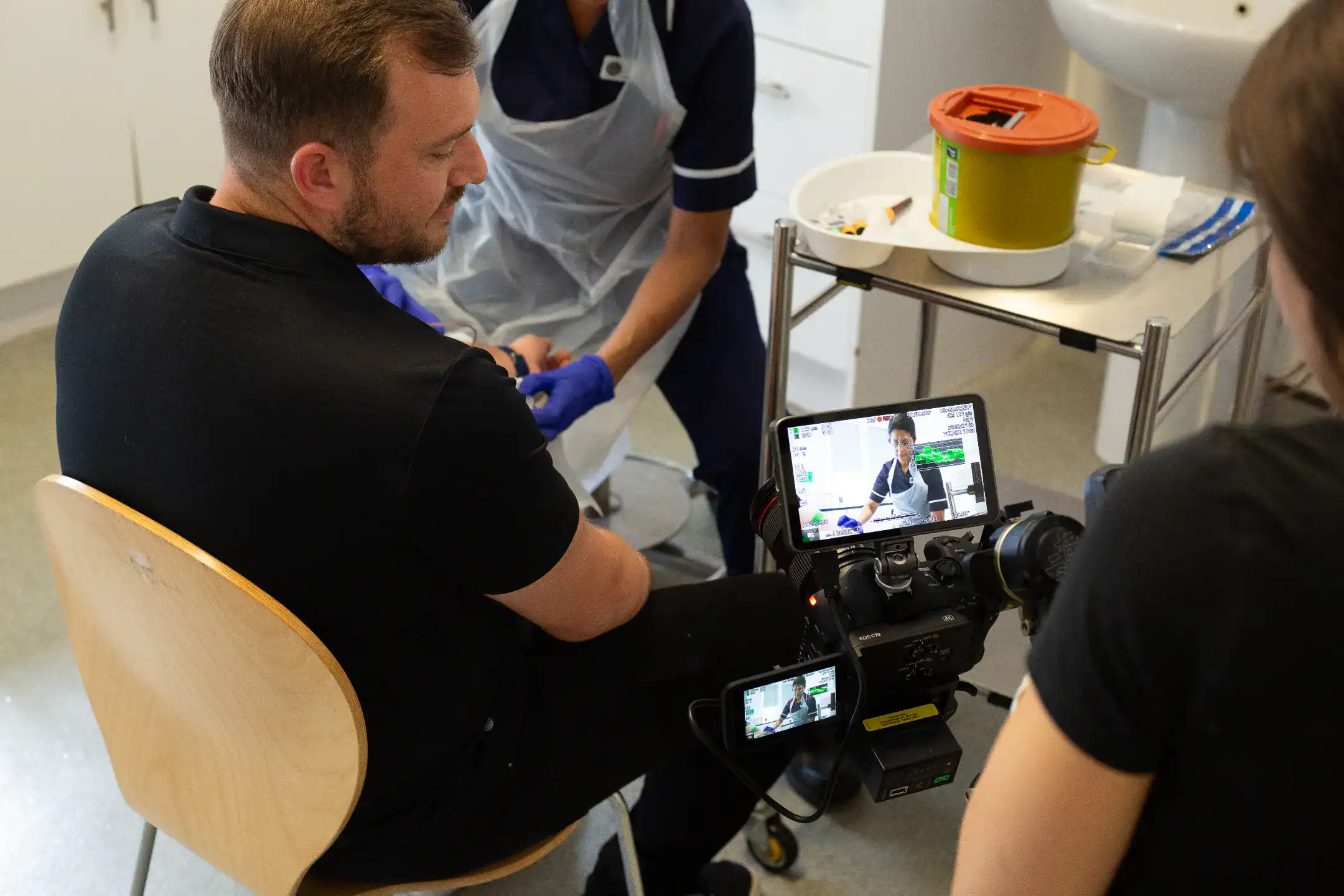
One of the biggest mistakes organisations make with video is treating it as a one-off deliverable.
A single filming day or animation project can often generate a wide range of assets that support different audiences and communication goals.
With proper planning, the same production process might create a service explainer, recruitment content, social media clips, stakeholder communications, website content, internal training materials and shorter campaign assets.
This approach is particularly valuable within the public sector, where budgets are often scrutinised and investments are expected to deliver long-term value.
The planning is what creates the return.
Rather than commissioning separate projects for every communication challenge, organisations can build a practical library of content that continues supporting engagement, recruitment, education and service delivery long after production has finished.
This is the approach we take through our Video Marketing System: creating evergreen assets that can be deployed across multiple channels, audiences and objectives rather than producing content with a limited lifespan.
If you are unsure what type of content would be most useful for your customers, book a 15 minute discovery call and we can help map out a practical approach around your objectives.
Why Public Sector Organisations Choose Square Daisy
We understand that successful public sector communication is not about creating the most cinematic video.
It is about helping people understand information clearly enough to take action.
Over the years, we’ve worked with a wide range of public sector organisations, including NHS Trusts, local authorities, housing associations, government departments and central government initiatives. While every organisation faces its own challenges, we’ve seen first-hand how difficult it can be to communicate complex information clearly, engage diverse audiences and demonstrate value across multiple stakeholder groups.
That experience means we understand the realities of public sector communication. We understand the importance of accessibility, accountability, stakeholder engagement and clear messaging, and we recognise that projects often need to balance multiple objectives while working within defined budgets and governance processes.
Our approach combines strategic planning, professional production and practical communication thinking. We start by understanding the audience, the message and the outcome required before recommending the most appropriate format.
Because we provide both filming and animation in-house, we can create joined-up communication solutions without the complexity of managing multiple suppliers.
We also focus heavily on creating multiple assets from every project, helping organisations maximise value and extend the lifespan of their investment.
The result is content designed not simply to look good, but to support real communication objectives.
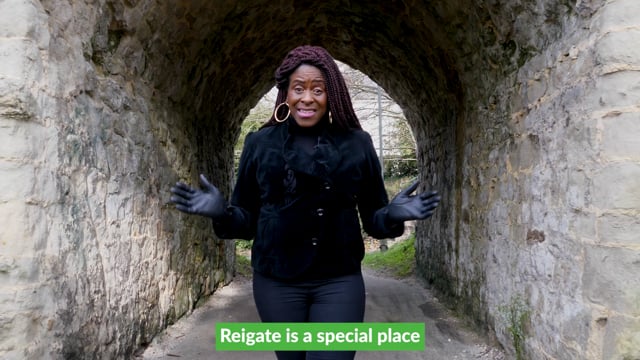
Film and Animation for Public Sector Organisations
Some messages are best delivered through filming.
Others are easier to explain through animation.
Public sector organisations often need to communicate information that is difficult to capture on camera, particularly when explaining processes, systems, eligibility criteria, service pathways or future developments.
Animation allows organisations to visualise concepts, simplify complex information and guide audiences through step-by-step processes in a highly accessible way. It is particularly effective for public information campaigns, healthcare communication, educational content and service explainers.
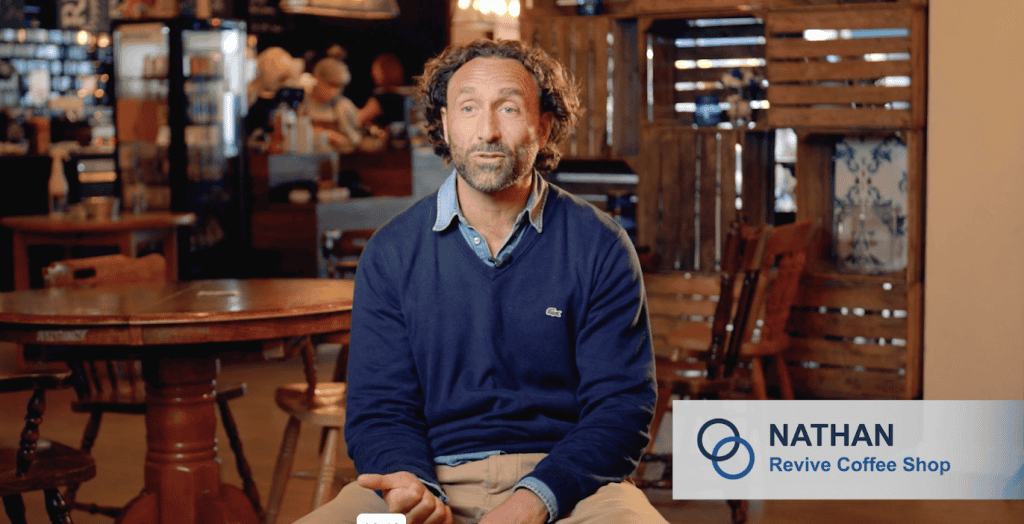
Filmed content, meanwhile, helps build trust and authenticity. Seeing real employees, service users, stakeholders and environments can create a stronger emotional connection and provide reassurance that written information often struggles to achieve.
Many projects benefit from a combination of both. Live-action footage supported by animation and motion graphics can help organisations maintain a human connection while still explaining complex ideas clearly.
Because we provide both filming and animation in-house, we can recommend the approach that best supports the communication objective rather than forcing projects into a particular format.
Frequently Asked Questions
What types of public sector organisations do you work with?
What types of public sector organisations do you work with?
We’ve worked with a broad range of public sector and publicly funded organisations, including NHS Trusts, local authorities, housing associations, government departments, central government programmes, educational organisations and public service providers.
While these organisations often have very different audiences and objectives, many face similar communication challenges around public engagement, recruitment, stakeholder communication, service awareness and explaining complex information clearly.
Our experience across multiple areas of the public sector allows us to bring practical insight while tailoring each project to the specific needs of the organisation and audience involved.
Can you help explain complex services or processes?
Can you help explain complex services or processes?
Yes. This is one of the most common reasons public sector organisations engage us. Through a combination of filming, animation and structured storytelling, we help make complex information easier to understand.
Is animation better than filming for public sector communication?
Is animation better than filming for public sector communication?
Not necessarily. Some projects are better suited to animation, while others benefit from the trust and authenticity that live-action filming provides. Many organisations achieve the best results through a combination of both.
Can video support recruitment?
Can video support recruitment?
Absolutely. Recruitment content helps prospective candidates understand the role, the culture and the people behind an organisation before they apply, improving both engagement and application quality.
How long does a project take?
How long does a project take?
Most projects are delivered within two to six weeks depending on complexity, approval processes and the range of assets required.
Something else?
Do you need something more specific? Why not get in touch and we’ll work with you to create the perfect concept for your needs.