The Business Video Marketing System
Helping businesses create content that supports the entire buyer journey.
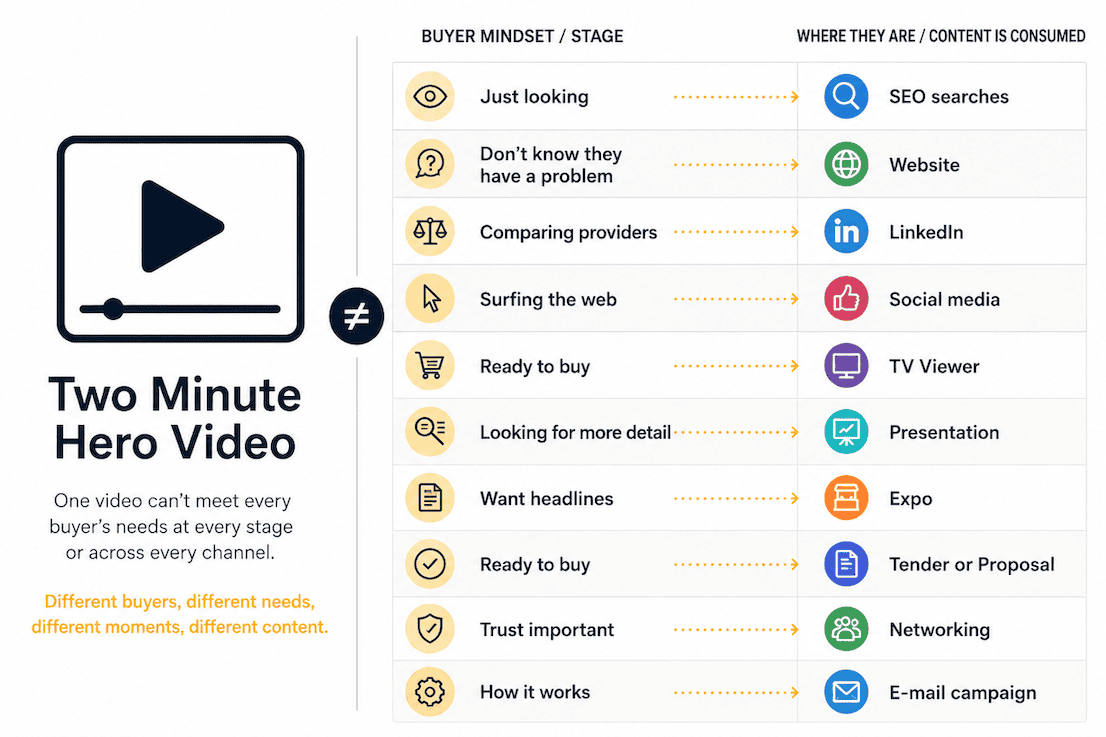
Most businesses don't need another video. They need a structured content system.
Most businesses come to us asking for a video.
Sometimes it’s a corporate video. Sometimes it’s a promotional film, an animation or a customer testimonial. Occasionally it’s something very specific, such as a product demonstration, a tender submission or content for an upcoming event.
The request itself is usually clear enough. What isn’t always clear is what they’re expecting that video to achieve.
When we dig a little deeper, the conversation quickly moves away from video and towards outcomes. A theatre wants to sell more tickets. A software company wants more free trial sign-ups. A membership organisation wants more subscriptions. A manufacturer wants to shorten the sales cycle. A healthcare provider wants prospective patients to feel more confident before booking an appointment. A professional services firm wants to build trust before the first conversation takes place.
The objective changes from business to business, but the principle remains the same. Nobody wakes up wanting a video. They want the result the video might help them achieve.
The challenge is that many organisations expect a single video to deliver multiple outcomes simultaneously. They want it to sit on the website, support sales conversations, generate enquiries, build trust, explain what they do, improve visibility on LinkedIn and help differentiate them from competitors.
When you say it out loud, it starts to sound slightly unreasonable. Yet that’s exactly what many businesses are asking one piece of content to do.
The challenge becomes even clearer when you think about the different people interacting with your organisation.
Some don’t even realise they have a problem yet. Others know they have a problem but haven’t discovered that a solution like yours exists. Some are actively researching options. Some are comparing suppliers. Others are trying to understand how your solution works, what it costs and whether it represents good value.
Then there are the people who are already customers. They have completely different needs again. They want to know how to get the best results, how to use what they’ve purchased or how to access additional support and services.
Those people also encounter your organisation in very different places. They might find you through Google, discover you while scrolling through social media, see you speaking at an event, watch a presentation, visit your website, read a proposal, attend an exhibition or receive an email from your sales team.
Every one of those touchpoints creates a different context. The questions people are asking themselves while browsing LinkedIn are very different from the questions they’re asking when reviewing a proposal or preparing to make a purchasing decision.
That’s why the idea of one video answering every question, for every audience, at every stage of the buyer journey, rarely works in practice.
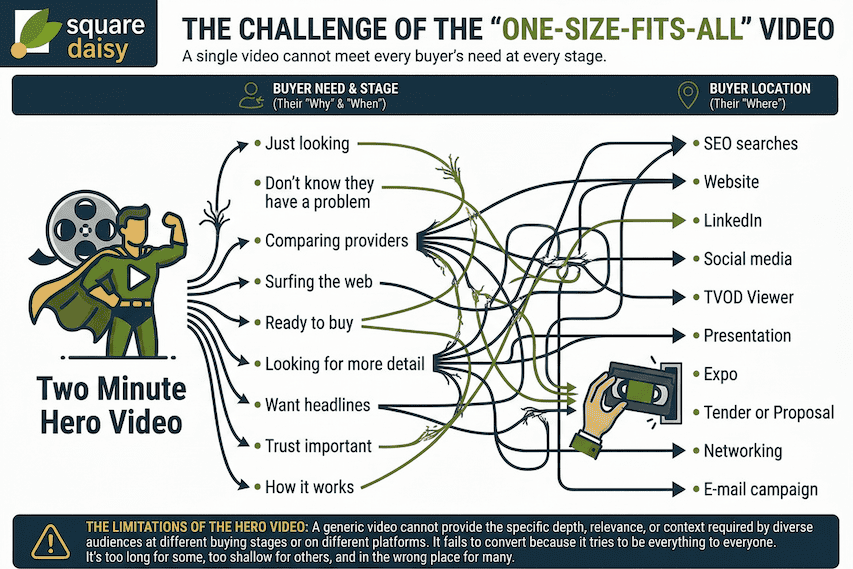
The problem isn’t that the video itself is bad. The problem is that it’s being asked to do the work of an entire communication system.
A prospect discovering your business for the first time doesn’t need the same information as somebody actively comparing suppliers. Someone attending an industry event has different priorities to somebody who has already shortlisted your company. Existing customers need different content again.
Different people need different information, at different times, for different reasons.
Once you understand that, the conversation changes completely.
Instead of asking, “What video do we need?” the better question becomes, “What does our audience need to understand in order to move forward?”
If this is already sounding familiar, you’re not alone. Most organisations we speak to have invested in content before, but haven’t necessarily stepped back and looked at how that content supports the wider buyer journey.
If you’d like a second opinion, book a 15-minute discovery call. We’ll walk through your current approach and help identify whether there are any obvious gaps or opportunities.
Introducing The Video Marketing System
A Video Marketing System isn’t about producing more content for the sake of it.
It’s about understanding what somebody needs to know, what action you want them to take next and then creating content that helps move them there.
Every video should have a job to do. Sometimes that job is creating awareness. Sometimes it’s building trust. Sometimes it’s helping somebody understand a complex service or product. Sometimes it’s encouraging them to download a guide, register for a webinar, visit another page on your website, start a free trial, book a consultation or request a proposal.
The point is that every piece of content should help somebody take a meaningful next step.
If you don’t know what you want the viewer to do after watching, it’s very difficult to judge whether the content has been successful.
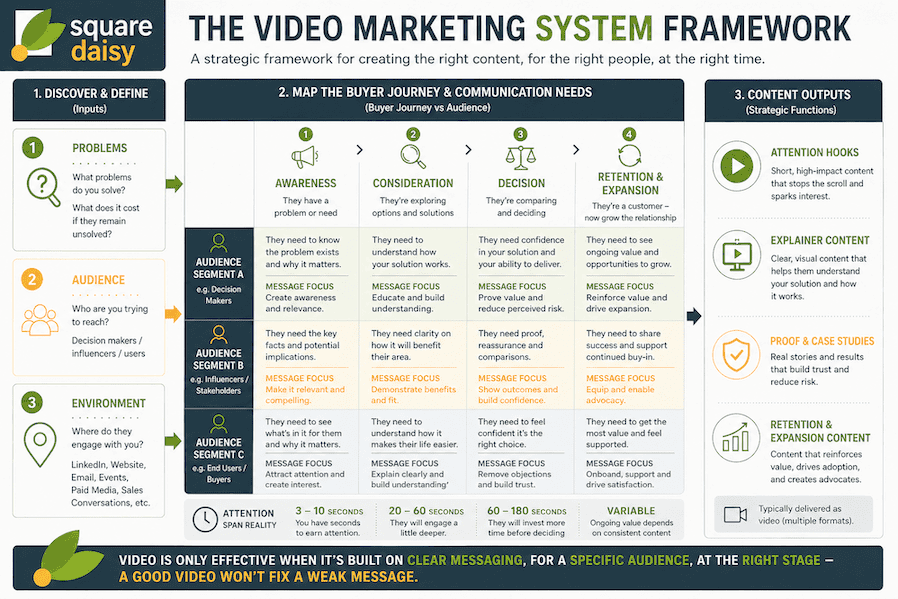
A typical buyer journey isn’t a single decision. It’s a sequence of smaller decisions.
At the awareness stage, people are often trying to understand whether they have a problem at all. Content at this point should educate, challenge assumptions and create interest.
As they move into consideration, they begin exploring solutions and comparing different approaches. This is where educational content, explainers and deeper insight become valuable because they help prospects understand how a solution works and whether it’s relevant to them.
By the decision stage, the conversation changes again. People are looking for confidence. They want reassurance that you can deliver what you promise, evidence that others have trusted you before and proof that the investment is worthwhile. Testimonials, case studies and customer stories become particularly valuable here because they reduce uncertainty at exactly the moment people are trying to make a decision.
Price is obviously part of the conversation, but something interesting often happens at this stage. Buyers who are focused entirely on finding the cheapest option tend to remove themselves from the process much earlier. If you’ve successfully guided somebody this far through the journey, the discussion is usually less about finding the lowest price and more about understanding the value they’re going to receive in return.
The journey doesn’t stop once somebody becomes a customer either. Existing clients need support, guidance, onboarding and reassurance. They need help getting the best results from what they’ve purchased. They need reasons to stay engaged and opportunities to deepen the relationship.
Each stage requires different communication.
Trying to force all of that into a single video is a little like trying to fit an entire website onto a single page. Technically you can do it, but it rarely delivers the best experience for the people you’re trying to reach.
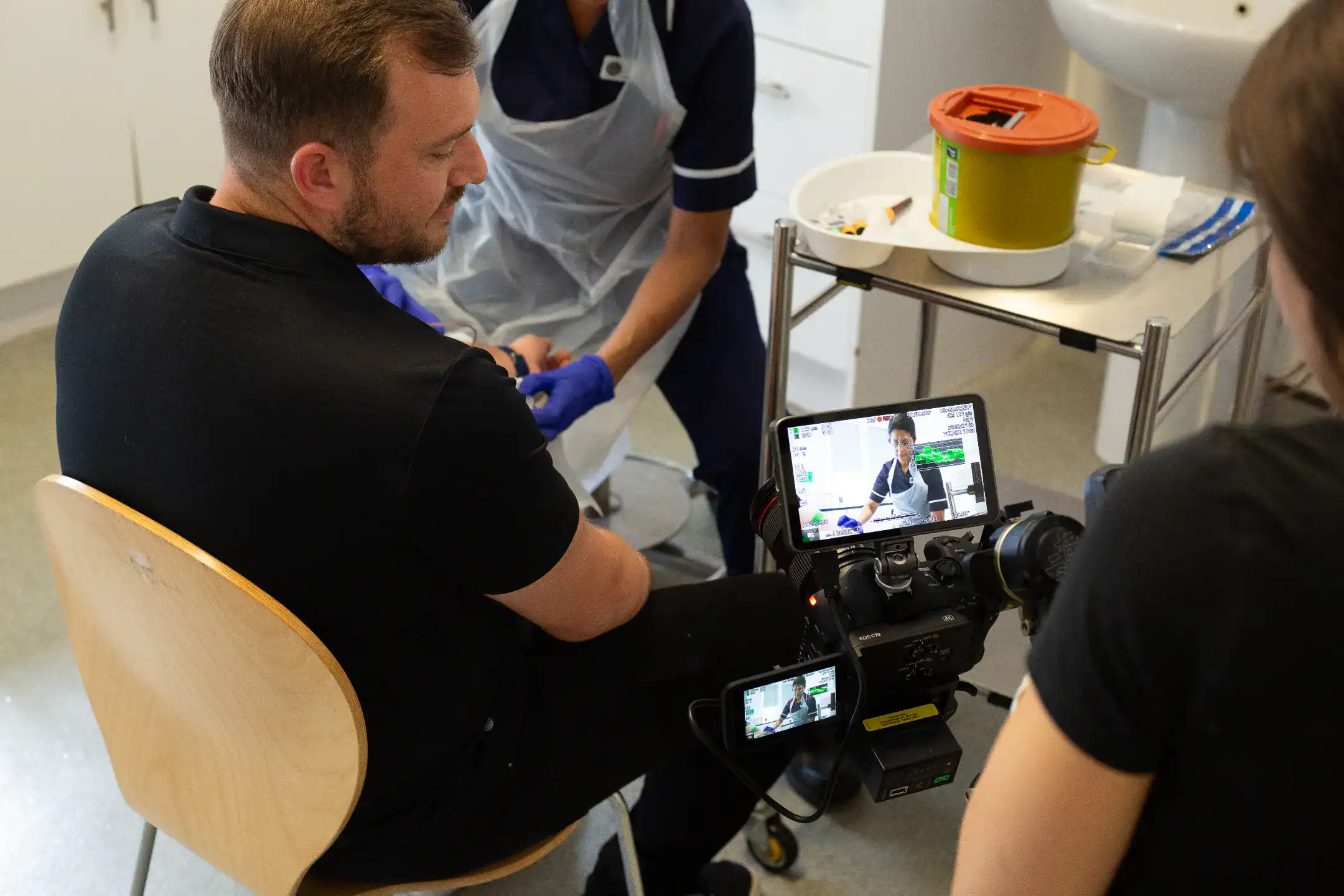


Why We Start With Questions, Not Cameras
Before we ever discuss cameras, filming days or editing, we start by answering four questions:
- Who are we trying to reach?
- What do they need to understand?
- Where are they likely to encounter our business?
- Most importantly, what do we want them to do next?
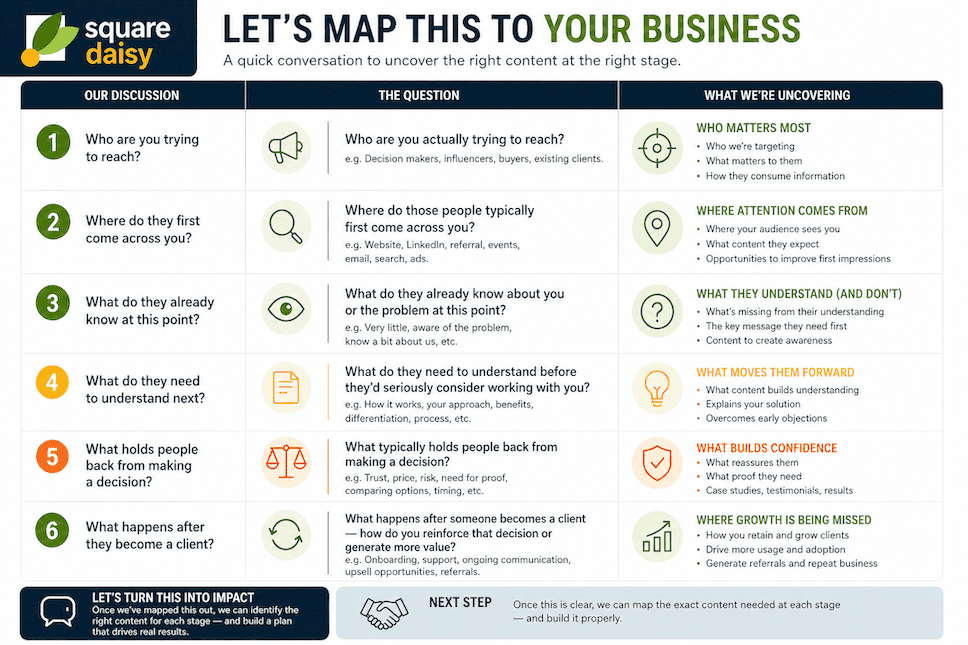
Those questions become the foundation of the entire strategy because they force us to think beyond the video itself and focus on the wider buying journey.
One of the reasons this process is so valuable is because most businesses are simply too close to their own world.
That’s not a criticism. It’s completely normal.
When you’ve spent years building a business, it’s easy to assume people understand more than they actually do. You know your products, services, terminology and processes inside out. The challenge is that your customers don’t have that same knowledge. They’re approaching your organisation from a completely different perspective and often asking very different questions than you might expect.
That’s where an outside perspective becomes valuable.
Because we’re not immersed in your business every day, we’re able to look at it much more like a prospective customer would. We can identify gaps in understanding, assumptions that are being made and opportunities to communicate more clearly. Often the most valuable conversations happen before we’ve discussed a single piece of content because we’re helping clients see their own buying journey through fresh eyes.
One Investment. Multiple Assets. Greater Return.
Building a Video Marketing System doesn’t necessarily mean commissioning endless amounts of content.
In many cases, the most effective approach is simply to plan more strategically before filming begins.
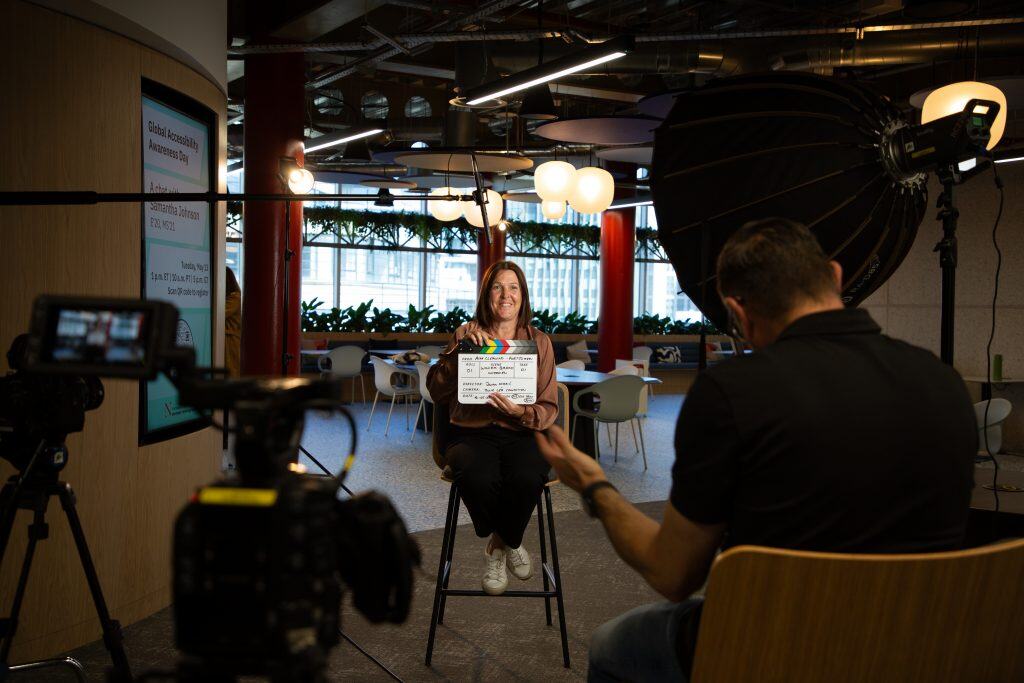
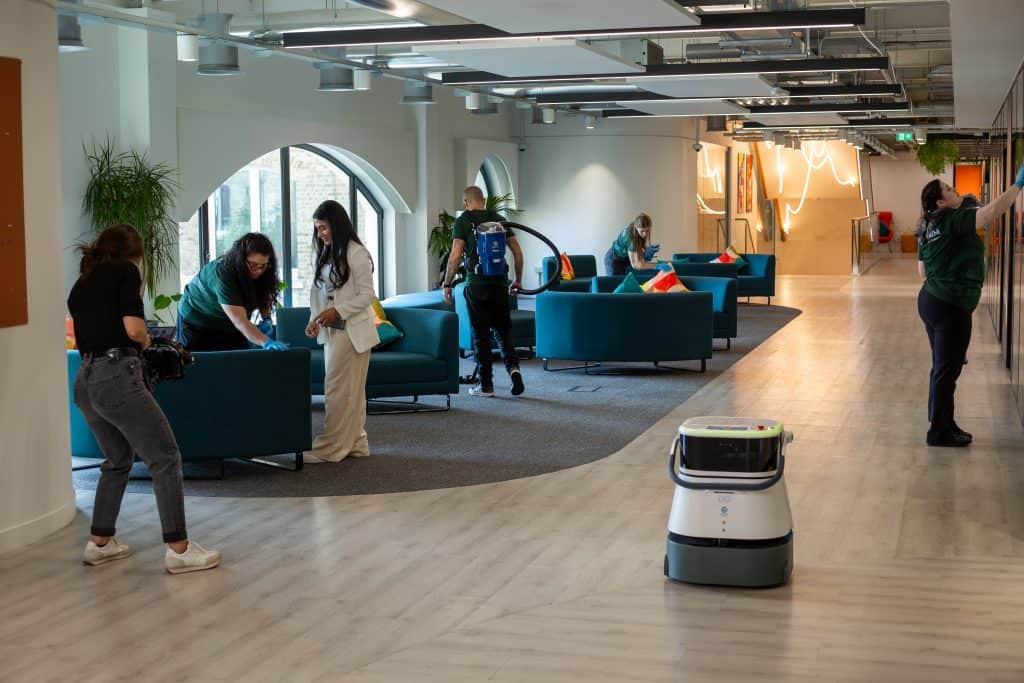
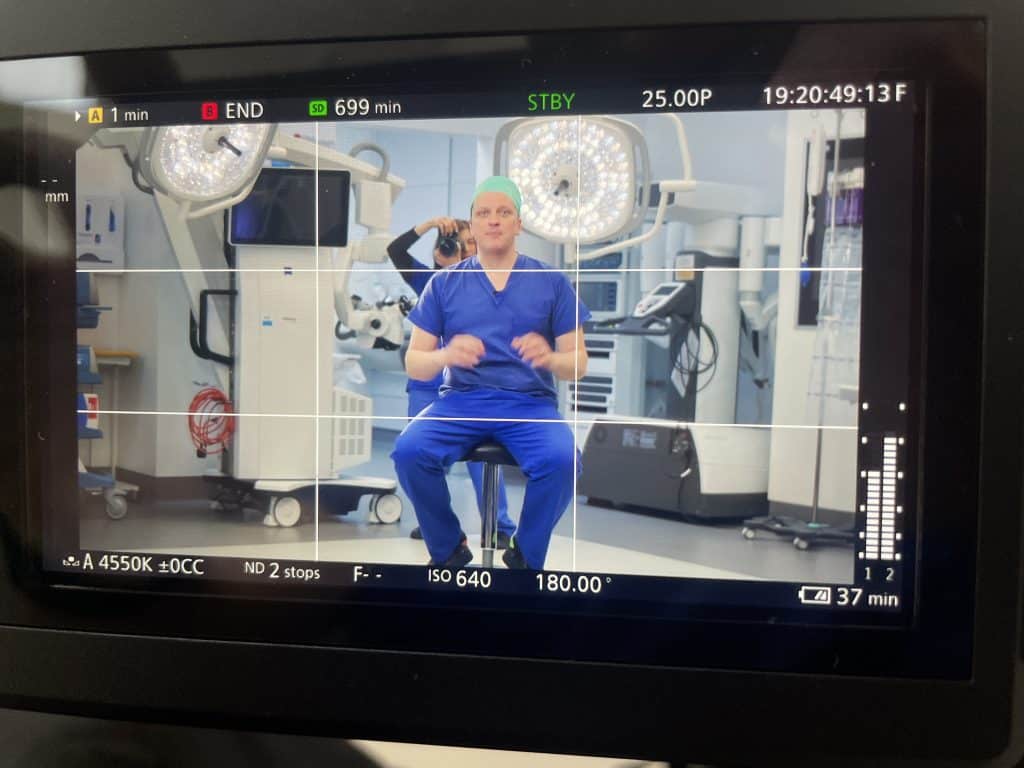
A single filming day can often generate far more value than people realise. Alongside a core brand film, the same production might provide customer testimonials, recruitment content, LinkedIn clips, FAQ videos, product demonstrations, educational content, exhibition loops, onboarding resources, service-specific videos, how-to content and shorter campaign assets designed for different platforms and audiences.
The difference is that all of those outputs are planned in advance.
Rather than creating one video and hoping it can fulfil every role, we’re creating a collection of assets that each have a clearly defined purpose within the wider marketing and sales process.
That’s where the return on investment comes from. Not from creating more content, but from creating content that has a clear role within the buyer journey and continues working long after the filming day is over.
Ready To Map Your Video Marketing System?
More often than not, businesses discover that the challenge isn’t a lack of video content. It’s a lack of structure.
They have content, but it doesn’t always answer the right questions. They have videos, but those videos aren’t necessarily aligned with the way people buy. They create assets, but they’re often doing so without a clear understanding of where those assets fit within the wider customer journey.
A Video Marketing System solves that problem by bringing structure to the process. Instead of starting with cameras and deliverables, it starts with audiences, objectives and outcomes. Once those are clear, the content becomes much easier to plan because every video has a purpose, every asset has a role to play and every piece of content is designed to help somebody move towards a meaningful next step.
If you’d like to explore what this could look like for your organisation, book a 15-minute discovery call with our team. We’ll look at your audience, your current content, your buyer journey and the communication challenges that may be slowing down growth.
You might discover that you need fewer videos than you think.
You might discover that you need different ones.
Either way, you’ll leave with a clearer understanding of how content can support the way your customers actually buy.
Download One of Our Guides to Get More From Your Video Project
For organisations looking to take a more strategic approach to video, we also produce practical guides covering:
- planning video content around the buyer journey
- creating a video marketing system rather than isolated assets
- maximising ROI from a single filming day
- using video to support sales, recruitment and customer retention
- creating content for different audiences and decision-making stages
- measuring the effectiveness of video content properly
The goal isn’t simply to create more videos. It’s to create the right content, for the right audience, at the right time, so that every asset has a clear role within your wider sales and marketing process.
Download our guides to learn more about planning, deploying and measuring video content as part of a structured Video Marketing System.
Frequently Asked Questions
What is a Video Marketing System?
What is a Video Marketing System?
A Video Marketing System is a structured approach to planning and creating video content around the buyer journey rather than treating each video as a standalone project. Instead of relying on a single “hero video” to achieve multiple objectives, a Video Marketing System uses different content to answer different questions at different stages of the decision-making process. The goal is to help prospects move from awareness to enquiry, and from enquiry to customer, through a series of relevant and purposeful touchpoints.
Why isn't one video enough?
Why isn't one video enough?
A single video can be highly effective when it has a specific purpose. The challenge comes when businesses expect one video to build awareness, explain a service, generate trust, support recruitment, answer objections and close sales simultaneously. Different audiences need different information depending on where they are in their journey. A prospect discovering your business for the first time has very different questions from someone comparing suppliers or preparing to make a purchase decision.
Does a Video Marketing System mean creating lots of videos?
Does a Video Marketing System mean creating lots of videos?
Not necessarily. In many cases, a single filming day can generate multiple assets designed for different audiences, platforms and stages of the buyer journey. This might include customer testimonials, recruitment content, educational videos, LinkedIn clips, product demonstrations, FAQ content and website assets. The difference is that everything is planned strategically from the outset rather than being created as isolated pieces of content.
How do you decide what content we actually need?
How do you decide what content we actually need?
We start by understanding your audience, your sales process and the questions people need answering before they feel confident enough to take the next step. We look at who you’re trying to reach, where they encounter your business, what they need to understand and what action you want them to take next. This process often highlights communication gaps and opportunities that aren’t immediately obvious when you’re closely involved in the day-to-day running of the business.
Is a Video Marketing System right for every business?
Is a Video Marketing System right for every business?
Not always. If you need a specific video for a specific purpose, such as a product demonstration, tender submission or event, a standalone project may be the right approach. However, if you’re looking to generate enquiries, build trust, support sales conversations, improve recruitment or create a more consistent customer journey, a Video Marketing System can provide a far more effective and measurable long-term solution than a single video asset alone.