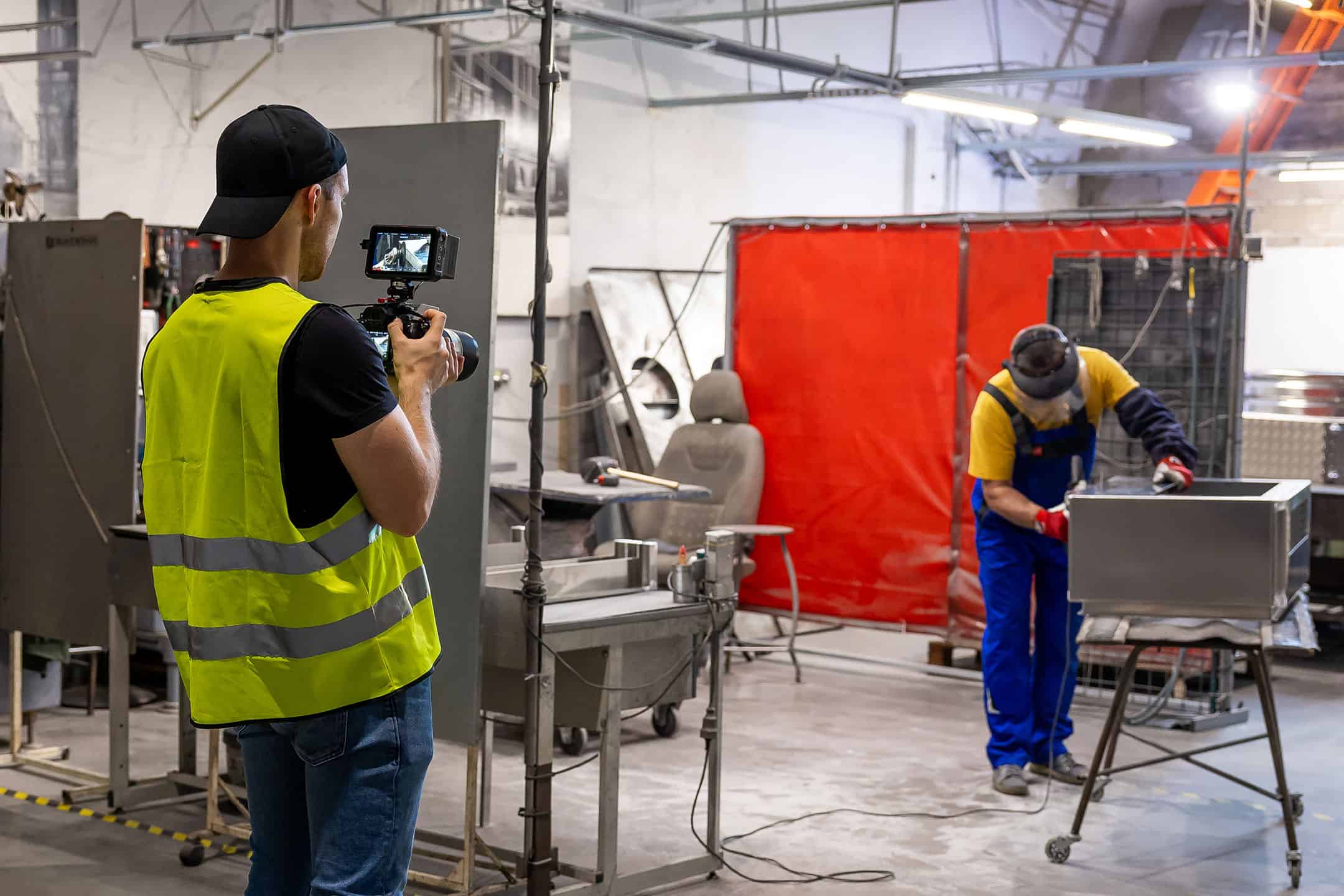
An engineering recruitment video helps candidates understand the work, workplace and people behind a vacancy. For manufacturing and engineering businesses, it gives specialist roles context that job adverts often lack and supports more informed applications.
Put simply, recruitment video production helps employers present opportunities with greater clarity.
The skills-shortage context: Why employer brand matters in engineering hiring
When specialist roles are difficult to fill, vacancy copy needs to do more than list responsibilities and qualifications. Candidates want to understand the technical challenge, team and career potential.
Written job adverts cover the basics, but they rarely show the working environment, expected standards or how someone’s contribution fits into the wider operation.
A skills shortage video gives employers a way to show the reality behind a vacancy. It introduces the workplace and gives candidates useful context before they invest time in an application.
For an employer brand video, engineering teams should focus on evidence rather than broad claims. Real work, employee perspectives and a practical view of the company environment help candidates understand the role.
What should an engineering recruitment video show?
Video content should reflect the recruitment aim. Experienced hires, apprenticeships and wider employer awareness each need different emphasis.
The strongest films show candidates the work, team and opportunity behind the role.
The reality of the work
Show the contribution the role makes, from the connection between design, production, testing and quality to the way technical teams approach practical issues.
The purpose is to show candidates the work, responsibility and setting involved.
The same job title often means different things in different businesses. A design engineer, maintenance engineer or production technician could have a very different working day depending on the products, systems and team around them.
A view of the working day
A day-in-the-life section shows how the role takes shape, from the pace of the environment to the way responsibilities fit within the wider operation.
For an engineer, that might mean moving between planning, testing and production support. In manufacturing, it could show how preparation, quality checks and handovers keep work moving.
This gives candidates a more realistic view of the role and helps set expectations around the precision, problem-solving and coordination involved.
The people behind the role
Candidates assess the people they would work with and the support available when they join.
Real staff offer useful insight. An employee might explain what brought them to the business, what they have learned or how their responsibilities have developed. A manager can describe expectations for a new starter and the way the team works together.
Contributions feel more credible when employees speak about real experiences. Hearing how a team shares technical knowledge or handles a demanding project gives candidates a clearer picture than a broad statement about culture.
Progression and development
A vacancy is often part of a longer-term career decision. Experienced engineers want to understand the scope of the role, while people earlier in their career look for a credible route into the sector.
Video gives employers space to show the wider context without making promises about individual outcomes. It might introduce employees at different career stages or show how people build experience through their work.
This gives the opportunity more substance. Candidates see how the role fits within the business, rather than viewing it as an isolated list of responsibilities.
Apprenticeships and early careers
An apprenticeship recruitment video gives people new to engineering or manufacturing a clearer picture of the opportunity before they commit to an application. Seeing current apprentices at work makes the route into the business feel more tangible, showing how learning develops through real responsibilities rather than simply describing it in vacancy copy.
It also gives parents, schools and careers advisers a more realistic view of the workplace. That wider understanding can make conversations about the opportunity more informed before an applicant takes the next step.
Why authenticity matters when filming real staff
Candidates often recognise recruitment content that feels overly polished or detached from working reality. A professional film still needs to answer the questions a prospective applicant is likely to have.
Real employees explain the demands of a role, the standards within a team and the parts of the work they value. That insight is difficult to recreate with actors or heavily scripted contributions.
Preparation remains important. Employees should understand the purpose of the film and be asked clear, relevant questions. This draws out practical experience while giving people space to speak in their own words.
A credible manufacturing recruitment video doesn’t present every day as effortless. Where a role requires care, responsibility or sustained technical thinking, showing that honestly helps candidates assess whether the work suits them.
Use recruitment video where decisions are made
Video has greater value when it supports a defined point in the candidate journey. Before creating one, consider who needs to see it, what they need to understand and what action the content should support.
A wider employer brand film often sits on a careers page, giving candidates an overview before they explore individual vacancies. More focused content supports a particular role, apprenticeship intake, careers event or recruitment campaign.
Shorter edits suit places where people first encounter an employer through a job advert or social post. The right format depends on what information is missing and when candidates need it.
Recruitment video should support the wider hiring message
Video is one part of the recruitment experience. Pay, progression, management, workplace conditions and the application process all influence how candidates view an employer.
Its role is to give candidates a clearer, more realistic view of the opportunity before they decide whether to apply. Showing the work, people and environment in practical detail gives them a stronger basis for deciding whether to pursue the role.
A recruitment video works best when it’s part of the same message candidates encounter across job adverts, careers content and employer communications. If that wider picture is unclear, our guide on why talent attraction is a marketing issue, not a HR issue looks at how marketing and HR can work together to make recruitment activity more consistent.
If candidates aren’t getting a clear picture from vacancy copy alone, a recruitment video helps explain the role, introduce the workplace and support more informed applications. Where that need extends into onboarding, training or internal communication, manufacturing video production helps bring those needs into one clearer plan.