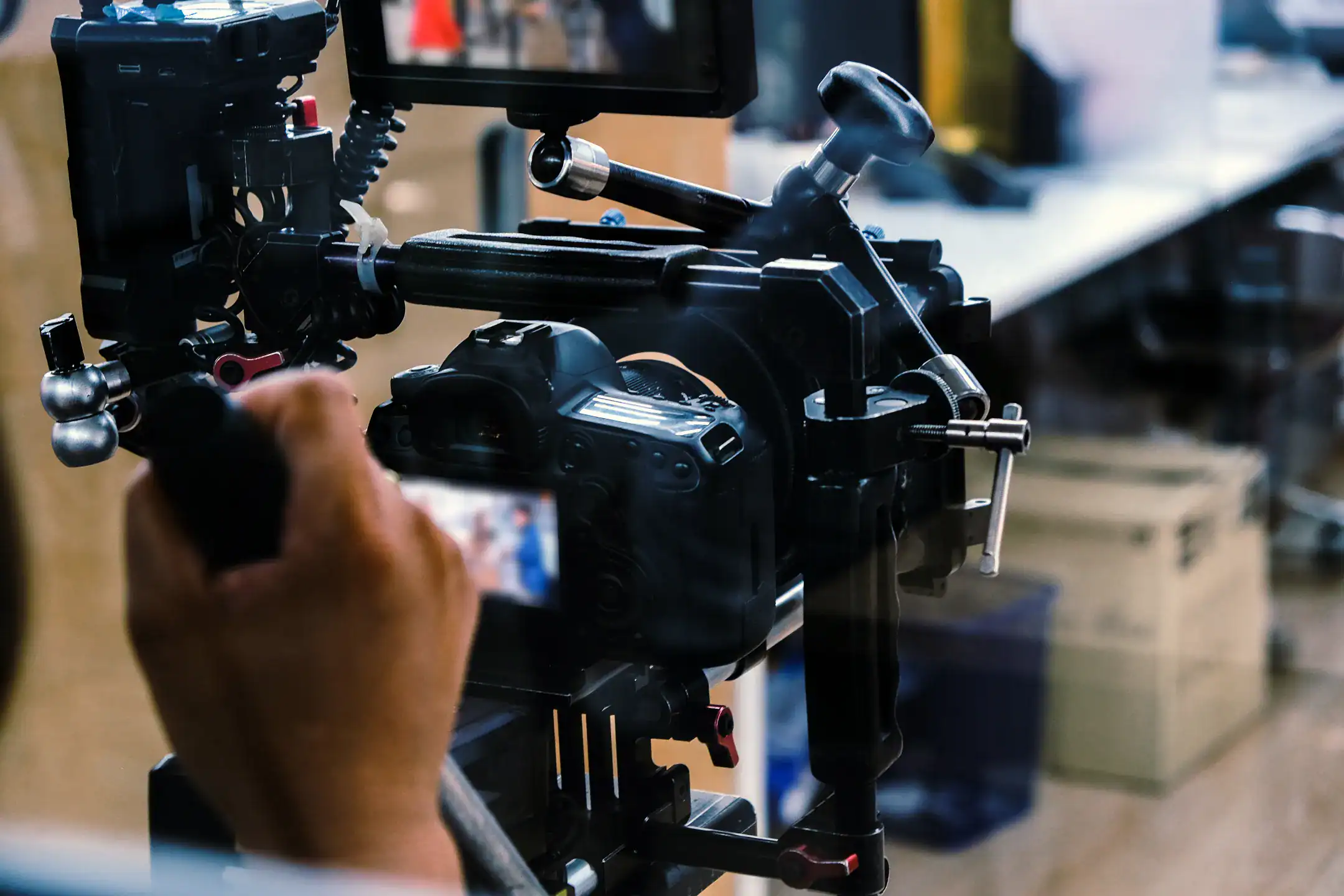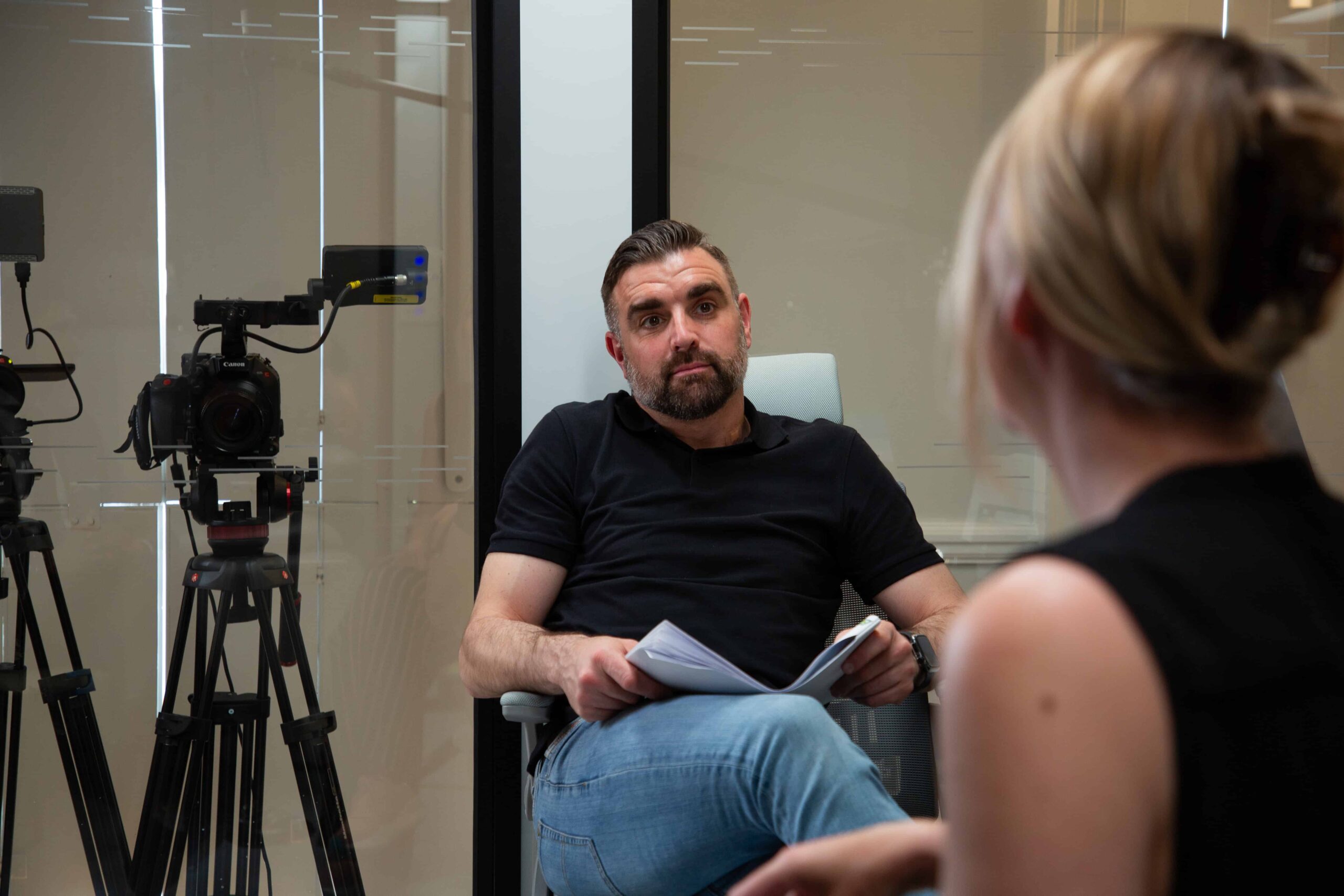
For many people, being filmed is a daunting experience. If you haven’t done it before, it can feel awkward, unnatural, and a bit exposing. You worry about how you’ll look, how you’ll sound, and what people will think.
These are totally normal concerns—but while we can’t remove the cameras entirely, there are things you can do to make the process smoother… and things that make it a lot harder. This post is about how to prepare the right way.
Want to look your best on camera too? We’ve got a separate blog on physical presentation, wardrobe, and grooming here: How to Look Your Best on Camera
What We See Behind the Scenes
When we film, we don’t just hit record and call it a day. Every second of footage gets imported, reviewed, and logged—usually more than once. We start by cutting out everything that’s unusable, then go back through to pick the relevant soundbites that will actually make it into the edit.
If we film one hour of interviews, we often need two hours just to run through it. The more time we spend sifting through footage, the less time we can spend doing the nice polish that gives your video that high-quality finish.
So when interviewees are under-prepared or try to wing it, it leads to hours of unusable footage, delays, and higher costs. One recent project ran £1,500 over budget just on sequencing interview content.
Let’s avoid that.
Why Writing a Script Is the Worst Thing You Can Do
Some people sit down and absolutely nail it. They’ve been on camera before, they know what they want to say, and it just flows.
But that’s rare.
The worst approach we see is when people try to script their answers word for word. Unless you’re a trained actor or using autocue (which we use for things like our Business Broadcasts service), reading a script will always sound robotic. You get caught up in trying to remember lines, and it kills any sense of natural delivery.
Worse still, people often try to wedge in cringey corporate buzzwords. We worked on a project where a company gave every interviewee the same scripted lines full of hollow phrases. It made everyone uncomfortable, nobody delivered them with conviction, and we had to shoot line-by-line just to get it recorded. In edit, nothing flowed—and we had hours of footage to sequence, adding time, cost, and frustration.
What Works: Bullet Points and Briefing Notes
Instead of scripting, use a briefing note.
This is simply a document that lays out the questions you’ll be asked or the points you want to hit. For example:
Q: What service can your clients expect from XYZ Company?
- We pride ourselves on excellent service
- Great customer experience drives repeat business
- Dedicated named contact throughout
- 24/7 customer portal
- 4.9 stars on Trustpilot
You don’t need full sentences—just enough to jog your memory. This gives you the freedom to speak naturally and in your own words, which always comes across better on camera.
A Few Tips to Make the Day Easier
- You don’t need to be perfect. We usually film with two cameras, so we can cut between takes and stitch together the best version.
- We’ll run through things before we roll. There’s always time for a warm-up before we hit record.
- Move how you normally move. If you talk with your hands, talk with your hands. If you don’t, don’t start now. Just be you.
- Don’t build it up in your head. The lights and cameras can feel intimidating, but if you take a breath, focus on your points, and treat it like a conversation, you’ll do great.
Let’s Respect the Schedule
Film days are tightly planned. Crews are expensive and time is limited. Everyone’s booked into a schedule with shot lists and location timings.
Occasionally, we get people who burn a lot of time by stressing out, resisting the process, or saying “someone made me do this.” It drains energy, eats into the schedule, and doesn’t help the final result.
Be kind to yourself: prep a briefing note, say your points out loud a few times beforehand, and come ready to go. That’s half the battle won.
Wrapping Up
We want filming to be a great experience—and for most people, it’s far less scary than they imagined. Sometimes, dare we say it, it’s even… fun?
Hopefully this blog helps you feel a little more prepared and a little more confident. We’ve seen firsthand how a bit of forethought can make the difference between a frustrating shoot and a fantastic one.
See you in the chair.