One of the most common enquiries we receive starts in a very familiar way.
“Hi, we’re looking to produce a video.”
And that’s absolutely reasonable. In many situations a single video is exactly the right thing to produce. If you’re launching a product, explaining a service, or promoting a campaign, a well-produced video – whether filmed, animated or a combination of both – can be a powerful tool.
But the real question most organisations should be asking isn’t “Do we need a video?”
It’s “What role should video play in our marketing?”
Because the moment you start thinking about that question, the conversation changes quite quickly.
Instead of producing a single piece of content and hoping it does everything, you start thinking about how video can support the entire customer journey. That’s where the idea of a video marketing system becomes much more powerful than simply producing “a video”.
The Problem With “One Video”
When organisations commission a video, there is often an expectation that the finished piece will do several different jobs at once.
It needs to capture attention on social media, explain what the business does, generate leads, build trust and ultimately help convert prospects into customers.
In theory that sounds efficient. In practice it’s incredibly difficult for one piece of content to achieve all of those goals.
A two-minute explainer video might work perfectly on your website where visitors are actively trying to understand what you do. But that same video is unlikely to perform well on LinkedIn where people are scrolling quickly through a busy feed.
Equally, a short teaser designed to stop someone scrolling might generate attention, but it probably won’t contain enough detail to help someone make a considered buying decision.
A ninety-second video can easily get lost in the noise on social media, while a thirty-second clip won’t provide the reassurance someone might need before committing to a significant purchase or booking a consultation.
Different stages of the buying journey require different levels of information, different lengths of content and often different formats altogether.
Trying to force one video to do everything is a bit like trying to use the same conversation with someone who has just discovered your brand and someone who is about to sign a contract. They simply need different information.
What a Video Marketing System Looks Like
A more effective approach is to treat video as part of a structured marketing system, where different pieces of content support different stages of the customer journey.
At the earliest stage, the goal is simply to attract attention and introduce an idea. These pieces of content are typically short and designed to stop someone scrolling.
Once someone becomes aware of your brand, they often need a little more context. This is where videos that explain a concept, introduce a service or demonstrate a particular feature can start to add value.
Further along the journey, people are often looking for reassurance. At this stage deeper content such as case studies, customer testimonials or detailed walkthroughs can help build the confidence needed to take the next step.
Instead of trying to force viewers to fit around one piece of content, a video system allows you to meet people where they are in their decision-making process.
A Real Example: London Nose & Sinus Clinic
A good example of this approach in practice is our work with the London Nose & Sinus Clinic.
Rather than producing a single promotional video, we worked with the clinic to create a collection of content designed to support different stages of the patient journey.
- At the awareness stage, shorter 9:16 videos were created for social media to introduce treatments and highlight common sinus-related issues that potential patients may be experiencing.
- Once people wanted to understand the clinic in more detail, we produced a clinic overview video that explained the expertise of the consultants and the services available.
- For patients researching specific treatments or conditions, we created deeper explanatory content that explored particular procedures and sinus conditions in more detail.
- We also produced a walk-through video of the clinic, which could be sent to patients ahead of their consultation so they knew exactly what to expect when they arrived. For many patients this small step helped remove some of the anxiety around attending their first appointment.
- Alongside this, a series of shorter edits and social media clips were created so the clinic could continue sharing useful content across different platforms.
The result wasn’t just one video, but a structured library of content designed to support awareness, education and patient confidence at different stages of the journey.
You can see the full project here:
The Hidden Opportunity During Filming
One of the biggest missed opportunities in traditional video production happens during the filming process itself.
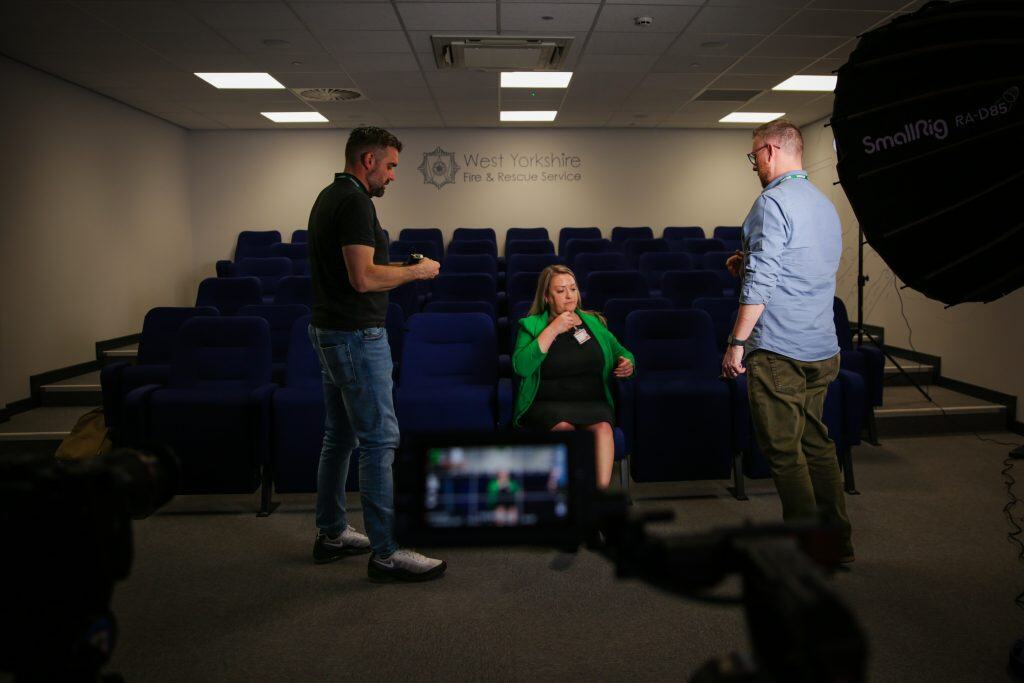
When we shoot a project, we typically capture far more valuable material than ever appears in the final edit. Interviews, demonstrations, product details, customer insights and visual sequences often get left out simply because there isn’t space for everything in a single video.
That unused material represents a huge opportunity.
With a video system approach, that additional footage can be repurposed into a range of assets that each play a specific role in the marketing journey.
For example, you might create a series of short teaser clips that focus on one clear idea. These are often designed to grab attention and engage audiences quickly. They might highlight a challenge your audience faces, showcase a key benefit of your service, demonstrate a specific feature or include a short customer soundbite. In most cases you would expect to produce several of these variations because they allow you to test different hooks and messages across social platforms.
You can then produce mid-length themed edits, usually under sixty seconds, which are designed to increase watch-through rates on platforms such as LinkedIn or Instagram. These tend to focus on a single theme rather than trying to explain everything at once. For example, a video might concentrate on one feature, a particular sector, a specific customer group or a version tailored to a particular audience.
Alongside these shorter edits you may also create longer-form content for people who are further along in their buying journey. These might include full case studies, detailed product walkthroughs, deeper explainers, sector-specific edits, FAQs or customer group variations that provide a greater level of detail and reassurance.
Within each of these categories it is also possible to produce different aspect ratio versions so the content works effectively across multiple platforms. A landscape version might perform well on a website or LinkedIn, while vertical edits are often far more suited to Instagram or YouTube Shorts.
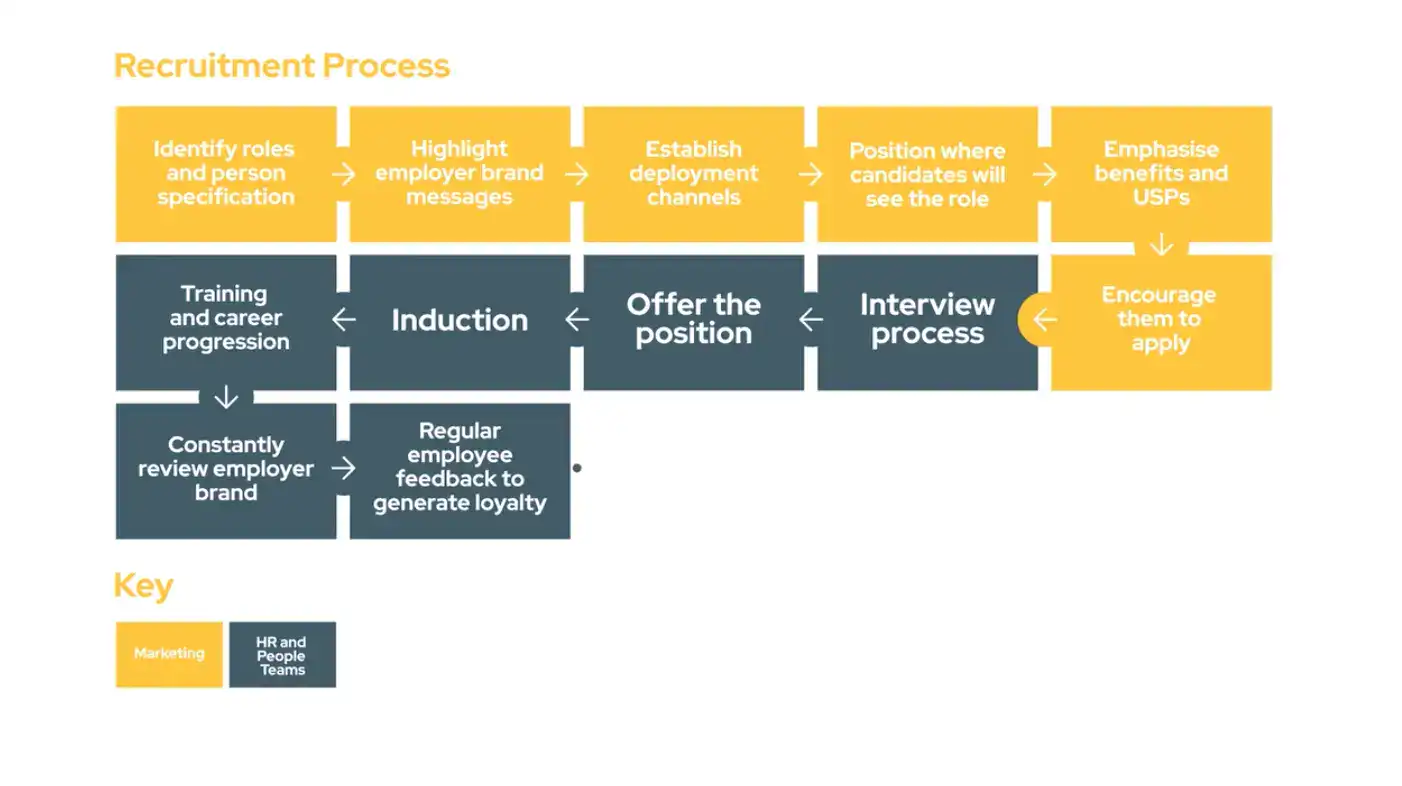
It is also common to capture content that supports recruitment and talent attraction, which is something many organisations overlook. The same production that generates marketing material can often produce valuable content that helps potential employees understand the culture of the business and the opportunities available.
The key point is that these assets are not random edits created after filming has finished. They are planned from the outset and aligned to the original objectives of the project. By mapping the structure properly before production begins, we can capture the right material once and repurpose it efficiently into multiple videos that support a wider marketing strategy.
More Content Doesn’t Automatically Mean More Cost
When people first hear about producing multiple video assets, the immediate assumption is that this must mean multiplying the production budget.
In reality, that isn’t necessarily the case.
If a project is structured properly from the beginning, it is often possible to capture the material required for several different edits during the same production in exactly the same amount of time that would be taken for a ‘standard edit’. The key is careful planning rather than simply turning up with a camera and hoping good content appears.
By understanding the objective, the audience and the channels where the content will be used, it becomes much easier to design a production that generates multiple useful assets from the same shoot.
In many cases this approach actually improves efficiency because the footage being captured has a clear purpose from the start.
It’s also important to understand this works for animated content too, although not in exactly the same way as filmed content.
Budget Conversations Need to Be Honest
Another factor that can limit the effectiveness of video projects is how budgets are discussed.
Too often organisations try to keep their budget hidden while asking agencies to provide quotes. Unfortunately that usually turns the process into a race to the bottom, where the focus becomes who can produce something the cheapest.
A more productive approach is to start with the objective.
Are you trying to generate enquiries? Increase bookings? Drive downloads? Improve recruitment applications? Build authority in your market?
Once the goal is clear, the conversation becomes about what level of investment is required to achieve it.
If a £10,000 project generates £50,000 of new business, that represents a strong return. If a £2,000 project produces no measurable outcome, then it wasn’t cheap – it was ineffective.
Video production shouldn’t be treated like a commodity purchase. The real question isn’t how cheaply something can be made, but whether it delivers a meaningful commercial outcome.
Video Still Needs a Marketing System Around It
Even the best video content won’t deliver results if it exists in isolation.
Video should sit within a broader marketing structure that guides potential customers through a logical journey — from discovery and awareness through to trust and action.
Once someone has watched the first piece of content, there should be a natural next step. That might be another video, a landing page, a consultation booking or a deeper piece of content that answers the next question they have.
The most effective marketing systems are designed so that each step moves the viewer closer to making a decision.
So Do You Need a Video?
Sometimes the answer is yes.
But very often the better answer is to think about how video fits into a wider marketing system.
Instead of trying to make one video perform every possible job, a system approach allows each piece of content to focus on doing one thing well. When those pieces are connected properly, the overall impact can be significantly greater.
Thinking About Video for Your Business?
If you’re considering using video for marketing, recruitment or brand growth, it’s worth stepping back and thinking about the wider system rather than focusing on a single asset.
That conversation usually starts with a few simple questions.
- Who are you trying to reach?
- Where will they encounter your content?
- What information do they need at different stages of their decision-making process?
- And what action do you ultimately want them to take?
From there we can design a video system with you that works across multiple channels and different stages of the buyer journey. The aim isn’t simply to produce more content, but to create the right content that helps move potential customers from initial awareness through to enquiry or purchase.
If you’d like to explore what that might look like for your organisation, feel free to get in touch. We’d be happy to talk it through.